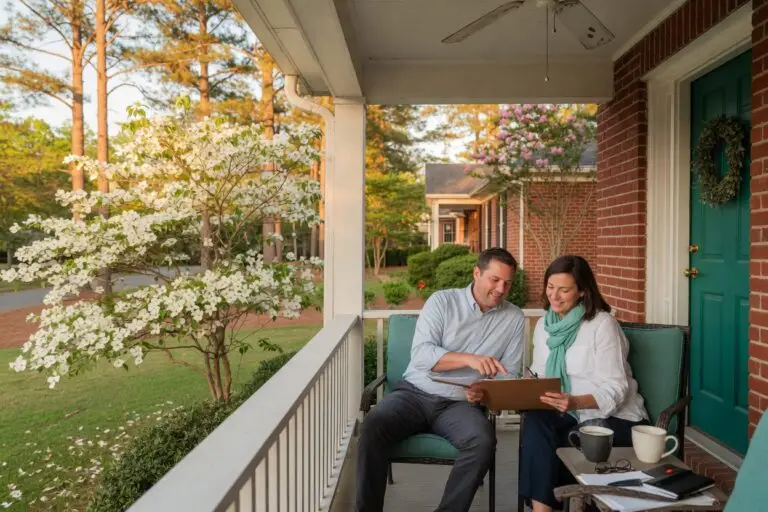
Home Inspection Cost in 2026: The Ultimate Eye-Opening Guide for Buyers
Find out the real home inspection cost in 2026. Average prices, what affects cost, who pays, and how to save. Expert guide from David Speers.

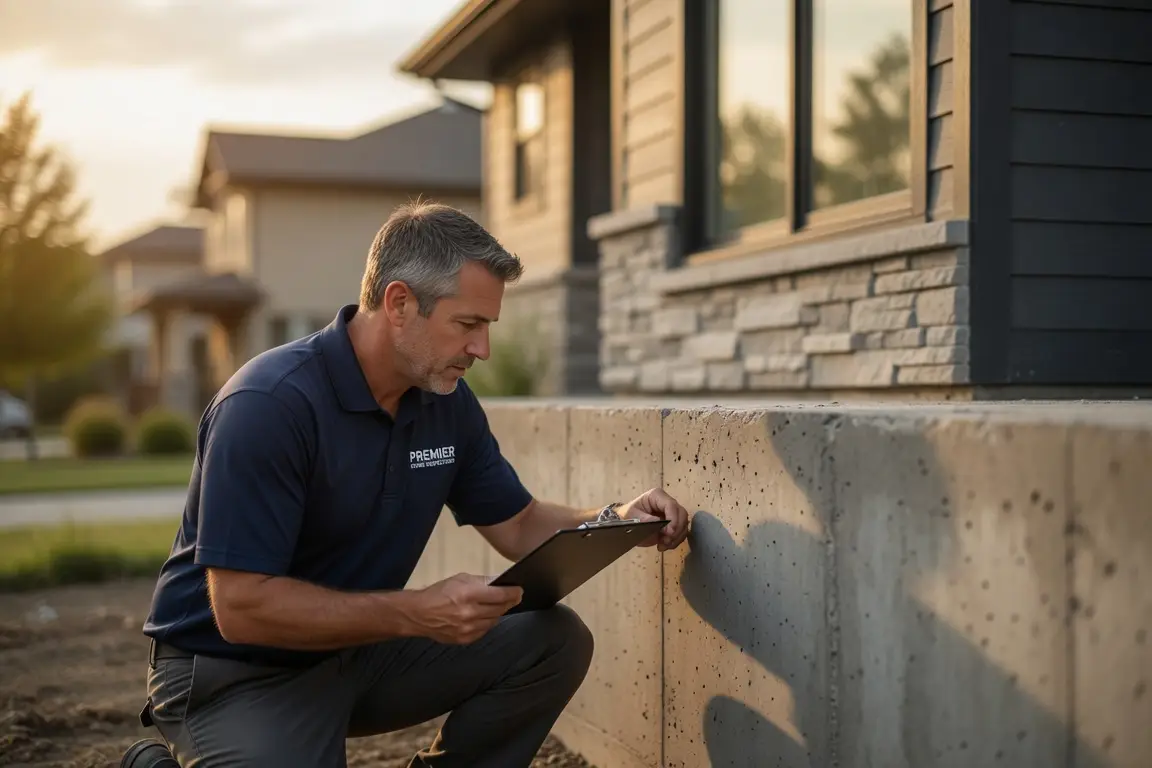
Contents
- 1. How Much Does a Home Inspection Really Cost?
- 2. What Is the Average Home Inspection Cost in 2026?
- 3. What Factors Affect Your Home Inspection Cost?
- 4. Who Pays for the Home Inspection?
- 5. What Does a Home Inspection Actually Cover?
- 6. Is the Home Inspection Cost Worth It?
- 7. How to Save Money on Your Home Inspection Cost
- 8. Home Inspection Cost by Region
- 9. What Happens After the Home Inspection?
- 10. Common Home Inspection Myths
- 11. When Should You Consider Skipping the Inspection?
- 12. How to Choose a Good Home Inspector
- 13. Frequently Asked Questions About Home Inspection Cost
How Much Does a Home Inspection Really Cost?
I’ve walked through hundreds of real estate transactions over the years, and the one question that comes up in nearly every single deal is some version of “how much is this going to cost me?” The home inspection cost is usually the first out-of-pocket expense buyers face after getting an offer accepted, and I get why it causes hesitation. You just committed to spending hundreds of thousands of dollars on a house, and now someone wants a few hundred more before you even close. But here’s what I’ve learned firsthand: skipping that inspection to save a few bucks is one of the most expensive mistakes you can make in real estate.
In this guide, I’m going to break down everything you need to know about home inspection cost in 2026 — what you’ll actually pay, what drives the price up or down, and why I believe it’s the single best investment in any home purchase.
What Is the Average Home Inspection Cost in 2026?
The average home inspection cost in 2026 falls between $300 and $500 for a standard single-family home. That’s the range most buyers across the country will land in. But I want to be upfront — that number can swing significantly depending on where you live, how big the house is, and how old it is.
For a smaller home under 1,000 square feet, you might pay as little as $200 to $250. A mid-size home between 1,500 and 2,500 square feet typically runs $350 to $450. And if you’re looking at a larger property — say 3,000 square feet or more — expect the home inspection cost to climb into the $500 to $700 range. I’ve seen inspections on older estates and multi-unit properties push past $1,000, though that’s not the norm.
These numbers reflect a general inspection by a licensed home inspector who examines the major systems of the house. Specialty inspections for things like radon, mold, or termites are separate line items. I’ll cover those costs further down.
What Factors Affect Your Home Inspection Cost?
Not every inspection costs the same, and understanding the variables helps you budget accurately. Here are the main factors that move the needle on what you’ll pay.
Square Footage
This is the biggest driver of home inspection cost. A larger home simply takes more time to examine. Inspectors need to check every room, crawl through the attic, look at the roof, test outlets, run water in every bathroom, and open every accessible panel. A 1,200-square-foot ranch might take two hours. A 4,000-square-foot colonial could take four or five. More time means a higher fee, and most inspectors price accordingly — often with tiered pricing based on square footage brackets.
Age of the Home
Older homes generally cost more to inspect because there’s more to look at and more that can go wrong. A home built in 1950 might have knob-and-tube wiring, galvanized steel plumbing, an aging foundation, and asbestos-containing materials. Each of these requires additional attention. Inspectors know that older homes demand a more thorough examination, and the home inspection cost reflects that extra diligence.
New construction inspections, on the other hand, can sometimes cost more than you’d expect. Even though the house is brand new, a good inspector will catch builder oversights — missing flashing, improperly graded lots, HVAC issues — that you’d never notice on a walkthrough. I always recommend new construction inspections. Builders are human, and mistakes happen.
Location and Regional Pricing
Where you’re buying matters. Home inspection cost varies meaningfully by region. In lower-cost-of-living areas across the Midwest and parts of the South, you’ll find inspections in the $250 to $350 range. In high-cost markets like the San Francisco Bay Area, New York metro, or parts of Southern California, that same inspection could run $500 to $700. This tracks with local labor costs and the general cost of doing business in those markets.
I’ve worked with buyers across multiple states — Colorado, Virginia, Pennsylvania, Florida, Texas — and the regional differences are real. A buyer in Denver might pay $400 for the same scope of work that costs $325 in Knoxville.
Type of Property
Condos tend to be cheaper to inspect because the inspector only needs to examine the interior unit — the building’s exterior, roof, and common areas are typically the HOA’s responsibility. A condo inspection might run $200 to $350. Townhomes fall somewhere in between. Multi-family properties like duplexes or fourplexes cost more because there are multiple living units to evaluate, each with its own kitchen, bathroom, and utility connections. The home inspection cost for a four-unit building can easily reach $700 to $1,000.
Additional or Specialty Inspections
A standard home inspection covers the structure, roof, electrical, plumbing, HVAC, insulation, and major appliances. But there are common add-ons that increase your total cost. Radon testing typically adds $100 to $200. A termite or wood-destroying insect inspection runs $75 to $150. Mold testing can add $200 to $600 depending on how many samples are taken. Sewer scope inspections — where a camera is fed through the main drain line — cost $150 to $400 and are worth every penny on older homes with clay or cast-iron pipes.
I always tell buyers to consider the sewer scope. Replacing a sewer line can cost $5,000 to $25,000, and a $200 camera inspection gives you the full picture before closing. The home inspection cost for these add-ons is minor compared to the potential repair bills they help you avoid.
Who Pays for the Home Inspection?
In the vast majority of transactions, the buyer pays the home inspection cost. It’s the buyer’s due diligence — you’re hiring the inspector to tell you what you’re actually buying. The seller has no obligation to pay for it, and in most markets, they don’t.
That said, I’ve seen some creative negotiating. In a buyer’s market where sellers are competing for offers, some sellers will offer an inspection credit or even pay for the inspection outright as a concession. This is rare, but it does happen. In hot seller’s markets, some buyers waive the inspection contingency entirely to make their offer more competitive. I strongly advise against this. The home inspection cost is a tiny fraction of the purchase price, and waiving it removes your primary safety net.
There are also situations where the seller gets a pre-listing inspection before putting the home on the market. This costs the seller the same $300 to $500 and can be a smart strategy — it lets the seller address issues proactively and present the inspection report to potential buyers as a sign of transparency. But even when a pre-listing inspection exists, I still recommend buyers get their own independent inspection.
What Does a Home Inspection Actually Cover?
Understanding what you get for your home inspection cost helps put the price in perspective. A standard inspection following the American Society of Home Inspectors (ASHI) or International Association of Certified Home Inspectors (InterNACHI) standards covers a lot of ground.
The inspector will examine the roof covering, flashing, gutters, and downspouts. They’ll check the exterior walls, grading, drainage, walkways, and driveways. Inside, they inspect the structural components — foundation, floors, walls, ceilings, and visible framing. The electrical system gets a thorough look: the service panel, wiring type, outlets, switches, and GFCI protection in wet areas. Plumbing inspection includes supply lines, drain lines, water heater, fixtures, and water pressure testing.
HVAC systems — both heating and cooling — are tested for operation and visually inspected for condition and installation quality. The inspector looks at insulation and ventilation in accessible areas like the attic. They check windows, doors, and interior surfaces for signs of water damage, settlement, or structural issues. Fireplaces, built-in appliances, and garage doors are also part of the standard scope.
What a standard inspection does not cover is equally important. Inspectors typically don’t test for radon, mold, lead paint, or asbestos unless those are purchased as add-on services. They don’t move furniture, dig into walls, or inspect anything that isn’t readily accessible. Swimming pools, wells, and septic systems usually require separate specialists. The home inspection cost covers a visual, non-invasive examination — thorough, but not destructive.
Is the Home Inspection Cost Worth It?
Absolutely. I say that without hesitation, and I’ve got years of real-world examples to back it up. A $400 inspection that uncovers a failing furnace — a $6,000 replacement — pays for itself fifteen times over. I’ve seen inspections catch foundation cracks that would have cost $20,000 to repair. I’ve seen them catch improperly wired electrical panels that were genuine fire hazards. I’ve seen them catch active roof leaks that the seller either didn’t know about or didn’t disclose.
Even when the inspection comes back relatively clean, it provides peace of mind that has real value. You know what you’re buying. You know the condition of the roof, the age and state of the HVAC, the quality of the plumbing and electrical. That information alone is worth the home inspection cost. And in many cases, the inspection report gives you leverage to negotiate. Buyers routinely use inspection findings to request repairs, credits, or price reductions that far exceed what they paid for the inspection itself.
I had a buyer last year whose inspection revealed aluminum wiring throughout a 1970s ranch — a known insurance and safety concern. The seller agreed to a $4,500 credit for remediation. The home inspection cost was $375. That’s a 12-to-1 return, and stories like that are common.
How to Save Money on Your Home Inspection Cost
While I never recommend cutting corners on the inspection itself, there are smart ways to manage the cost without sacrificing quality.
First, get quotes from multiple inspectors. Prices can vary by $100 or more in the same market for comparable credentials and experience. Just make sure you’re comparing apples to apples — check that each inspector is licensed, insured, and follows ASHI or InterNACHI standards. The cheapest inspector isn’t always the best value if they rush through the job or miss critical issues.
Second, bundle your add-on inspections. Many inspectors offer package deals when you combine the general inspection with radon testing, termite inspection, or sewer scope. Bundling can save you $50 to $150 compared to booking each service separately. Ask your inspector about combo pricing when you schedule.
Third, attend the inspection. This doesn’t save money directly, but it dramatically increases the value you get for your home inspection cost. When you walk through the house with the inspector, they’ll point things out in real time, explain what’s normal wear versus a real concern, and answer your questions on the spot. You’ll leave with a much better understanding of the home than you’d get from reading the report alone.
Fourth, ask your real estate agent for recommendations. Agents work with inspectors constantly and know who’s thorough, professional, and fairly priced. At HomeRise, we maintain a list of vetted inspectors in every market we serve, and we’re happy to share those recommendations with our clients. A good referral can save you the time and risk of choosing blindly.
Home Inspection Cost by Region
Regional pricing is one of the biggest sources of confusion around home inspection cost. Here’s a general breakdown based on what I’ve seen across the markets we operate in and national data from 2026.
In the Northeast — including New York, New Jersey, Pennsylvania, and New England — expect to pay $400 to $600 for a standard inspection. Higher labor costs and older housing stock push prices up. The Mid-Atlantic region, covering Virginia, Maryland, and DC, runs similar at $375 to $550.
The Southeast tends to be more affordable. Markets in Florida, Tennessee, Georgia, and the Carolinas typically see home inspection cost in the $300 to $425 range. Texas is comparable, with most inspections falling between $300 and $450 depending on the metro area.
The Midwest — Ohio, Michigan, Illinois, Indiana — generally offers the lowest home inspection cost nationally, with prices between $250 and $400. Colorado and the Mountain West region are moderate at $350 to $500. The Pacific Northwest and California are on the higher end, typically $450 to $700, reflecting the overall cost of living in those markets.
These are averages for standard single-family home inspections. Your actual cost may be higher or lower depending on the specific property. The best move is always to get a few quotes from local inspectors once you have a property under contract.
What Happens After the Home Inspection?
Once you’ve paid the home inspection cost and received the report, you have options. The inspection report will categorize findings by severity — major concerns, moderate issues, and minor maintenance items. Your agent will help you interpret the results and decide on next steps.
If the inspection reveals significant issues, you can negotiate with the seller. Common requests include asking the seller to make specific repairs before closing, requesting a credit at closing to cover the cost of repairs you’ll handle yourself, or asking for a price reduction that reflects the home’s actual condition. In extreme cases — a failing foundation, major structural damage, or environmental hazards — you may choose to walk away from the deal entirely, which is your right under the inspection contingency.
If the inspection is clean or only reveals minor issues, you proceed toward closing with confidence. Either way, the home inspection cost has served its purpose: giving you a clear picture of what you’re buying and the leverage to negotiate fair terms.
I always recommend keeping the inspection report even after closing. It serves as a baseline for the home’s condition on the day you bought it. Five years later, when you can’t remember the age of the water heater or whether the inspector noted anything about the roof, you’ll be glad you have it.
Common Home Inspection Myths
There are a few persistent myths about home inspections that I want to address because they lead buyers to make bad decisions.
The first myth is that new construction doesn’t need an inspection. Wrong. New homes can have just as many issues as older ones — sometimes more, because the work was done quickly by multiple subcontractors. I’ve seen brand-new homes with reversed hot and cold water lines, missing insulation in entire walls, and improperly installed HVAC ductwork. The home inspection cost on new construction is the same as any other home, and it’s equally important.
The second myth is that a home inspection is a pass/fail test. It’s not. There is no “passing” or “failing” grade. The inspector documents the condition of the home as they find it. Every home has issues — every single one. The question is whether those issues are deal-breakers for you, negotiable, or simply things to be aware of for future maintenance.
The third myth is that you should hire the cheapest inspector to keep your home inspection cost down. Price matters, but experience and thoroughness matter more. An inspector who charges $100 less but misses a major plumbing issue hasn’t saved you anything. Look for inspectors with strong reviews, proper licensing, and clear sample reports. A slightly higher home inspection cost for a more experienced inspector is a smart trade.
When Should You Consider Skipping the Inspection?
My honest answer: almost never. But I want to be realistic about the market conditions that tempt buyers to skip. In extremely competitive seller’s markets, some buyers drop the inspection contingency to make their offer stand out. I understand the pressure, but I’ve seen this backfire too many times to recommend it.
If you absolutely must compete without an inspection contingency, consider getting a pre-inspection before submitting your offer. Some sellers will allow access for a buyer to bring an inspector through during the showing period. This way, you know the condition of the home before committing, and your offer comes in clean. The home inspection cost is the same, you just pay it earlier in the process. It’s a reasonable compromise that protects you without weakening your offer.
The only scenario where I think skipping might make sense is if you’re an experienced investor buying a property you intend to gut-renovate anyway. Even then, you’d want at least a structural assessment and environmental screening. For any buyer planning to actually live in the home, the home inspection cost is non-negotiable in my book.
How to Choose a Good Home Inspector
Finding the right inspector is just as important as getting the inspection itself. Here’s what I look for when recommending inspectors to HomeRise clients.
Licensing is the baseline. Most states require home inspectors to be licensed, but requirements vary. Check your state’s licensing board to verify credentials. Beyond licensing, look for membership in a professional organization like ASHI or InterNACHI, which hold members to standards of practice and codes of ethics.
Experience counts. An inspector with 1,000 inspections under their belt will catch things that a newer inspector might miss. Ask how many inspections they’ve performed and how long they’ve been in business. Ask for a sample report — a good inspector produces a detailed, photo-heavy report that’s easy to read and clearly organized.
Insurance is non-negotiable. Your inspector should carry both errors and omissions insurance and general liability coverage. This protects you if something is missed. Finally, ask about their availability and turnaround time. In a fast-moving market, you need an inspector who can schedule quickly and deliver the report within 24 to 48 hours. The home inspection cost should never be the only factor — credentials, experience, and professionalism all matter.
Frequently Asked Questions About Home Inspection Cost
How much does a home inspection cost on average?
The average home inspection cost in 2026 ranges from $300 to $500 for a standard single-family home. Smaller homes and condos can be as low as $200, while larger or older properties may cost $500 to $700 or more. Your actual price depends on the home’s size, age, location, and the scope of the inspection.
Who pays for the home inspection — the buyer or the seller?
The buyer typically pays the home inspection cost. It’s considered part of the buyer’s due diligence during the transaction. In some cases, sellers may offer to pay as a concession, but this is uncommon. Sellers sometimes pay for their own pre-listing inspection to identify and address issues before putting the home on the market.
Is a home inspection required to buy a house?
A home inspection is not legally required in most states, but it is strongly recommended and included as a standard contingency in most purchase contracts. Mortgage lenders do not require a general home inspection, though some loan types like FHA and VA loans require specific appraisal conditions. The home inspection cost is a small price to pay for the protection it provides.
How long does a home inspection take?
A typical home inspection takes two to four hours depending on the size, age, and condition of the property. Larger or older homes take longer. If you’ve added specialty inspections like radon testing or sewer scope, expect additional time. You’ll usually receive the written report within 24 to 48 hours after the inspection is complete.
Can I negotiate the price of a home based on the inspection results?
Yes. Inspection findings are one of the most common reasons buyers and sellers renegotiate the purchase price or terms. If the inspection reveals significant issues, you can request repairs, ask for a credit at closing, or negotiate a lower price. The inspection contingency in your contract gives you this right and is another reason the home inspection cost is well worth paying.
What is the difference between a home inspection and an appraisal?
A home inspection evaluates the physical condition of the property — its structure, systems, and components. An appraisal determines the home’s market value for lending purposes. They serve different functions: the inspection protects the buyer from hidden defects, while the appraisal protects the lender from over-lending. The home inspection cost is paid by the buyer; the appraisal fee is also typically paid by the buyer but is required by the lender.
Are there any hidden costs beyond the basic home inspection?
The main additional costs are specialty inspections: radon testing ($100 to $200), termite inspection ($75 to $150), mold testing ($200 to $600), and sewer scope ($150 to $400). These are optional but often recommended depending on the property. Your inspector will usually let you know which add-ons they suggest based on what they observe during the general inspection. There are no hidden fees with reputable inspectors — the home inspection cost should be clearly quoted before the appointment.