
What Hurts a Home Appraisal? 11 Things Sellers Miss (2026)
Wondering what hurts a home appraisal? Deferred maintenance, clutter, and weak comps are 11 seller mistakes to fix before the appraiser arrives.

Contents
- 1. 11 Things That Hurt a Home Appraisal, At a Glance
- 2. What an Appraisal Actually Measures (Quickly)
- 3. What Hurts a Home Appraisal the Most? Deferred Maintenance
- 4. Bad Comps: The Silent Thing That Hurts a Home Appraisal
- 5. Curb Appeal (Yes, It Still Matters)
- 6. Unfinished Projects and DIY Horror Shows
- 7. Clutter, Dirt, and That One Weird Room
- 8. Functional Obsolescence (The Cruel One)
- 9. Location Factors You Can’t Change
- 10. What Not to Say to the Appraiser
- 11. How to Fix What Hurts a Home Appraisal Before Selling
- 12. What Hurts a Home Appraisal Most in 2026? (The Seller Cheat Sheet)
- 13. Why Your Commission Rate Matters More Than a $10K Appraisal Miss
- 14. Regional Patterns: What Hurts a Home Appraisal by Market
- 15. Frequently Asked Questions About What Hurts a Home Appraisal
If you are wondering what hurts a home appraisal, let me start with a story. A few years back, I sat with a seller in suburban Philly who had priced her home at $525,000 and lined up a buyer at asking. The appraisal came back at $487,000. Deal died. She spent the next three months in a spiral — cutting price, accepting a worse offer, then eating a $14,000 commission check on top of it.

Here’s what stung: nine of the eleven things that dragged her appraisal down were fixable. She just didn’t know what hurts a home appraisal until it was too late.
If you’re about to list — or you’re watching a deal wobble because the appraiser walked out shaking their head — this is the guide I wish she’d had.
11 Things That Hurt a Home Appraisal, At a Glance
- Deferred maintenance — the soft spots, water stains, and unserviced systems that get coded “condition: average” instead of “good.”
- Bad comps — a distressed or short-sale comp nearby can drag your number down through no fault of your own.
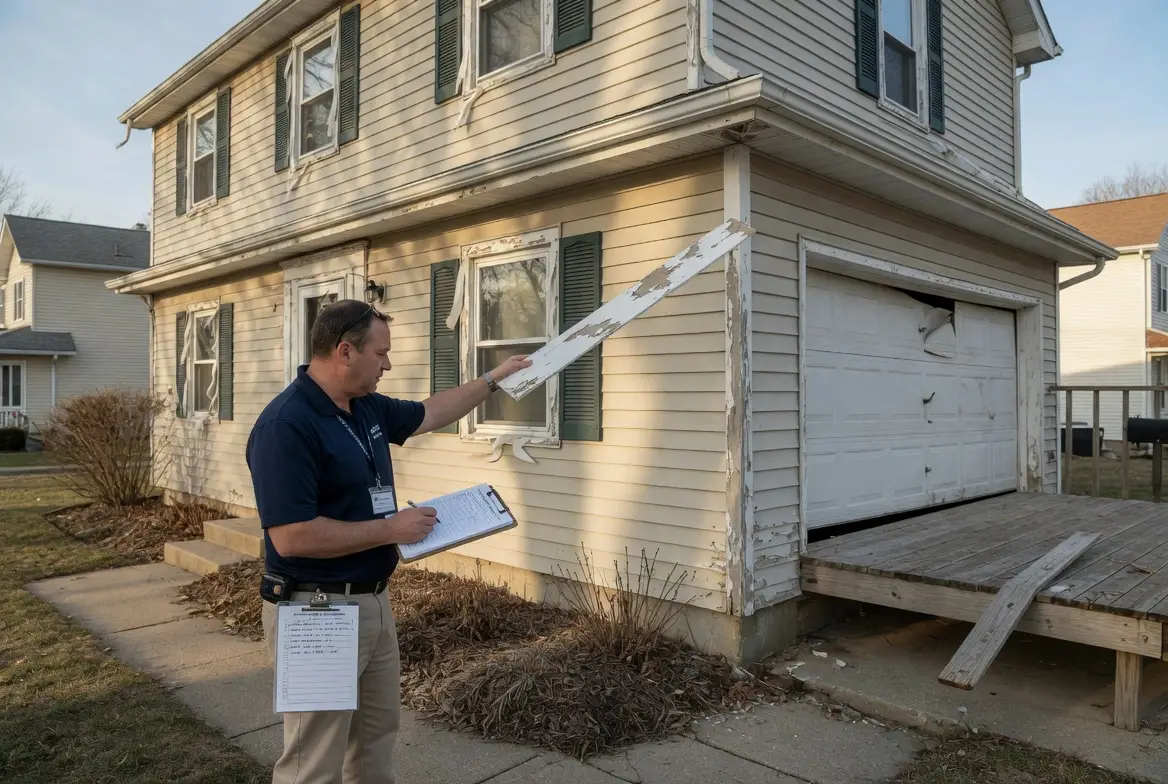
- Weak curb appeal — peeling paint, a sagging garage door, and dead mulch beds set the tone before the appraiser walks in.
- Unfinished projects and DIY work — half-finished basements, open permits, and incomplete repairs the appraiser has to assume a buyer will pay to fix.
- Clutter, dirt, and pet odor — condition calls are subjective, and a messy or smelly house reads as worse maintained.
- Converted or personalized rooms — a bedroom turned home gym reads as “bedroom minus-one” until you put the mattress back.
- Functional obsolescence — outdated layouts like a single bathroom for two bedrooms or bedrooms without closets.
- Busy-road proximity — homes on busy roads typically appraise 8-15% lower than identical homes on quiet streets.
- Commercial adjacency — being next to commercial property runs about a 5-10% hit.
- Visible power lines — power lines in view of the yard cost roughly 3-7%.
- What you say to the appraiser — naming your target number, volunteering defects, or citing a neighbor’s sale can work against you.
What an Appraisal Actually Measures (Quickly)
Before we get into what hurts a home appraisal, you need to understand what one is. An appraiser is not shopping. They’re not scoring your taste. They’re answering one question for the lender: If this buyer defaults tomorrow, can we recover our money by reselling this house? Everything they write down funnels into that answer.
They use three main approaches — sales comparison (what similar homes sold for), cost approach (what it would cost to rebuild), and income approach (if it’s a rental). For most residential sales, comps drive about 80% of the number. The rest comes from condition, features, and location adjustments.
Knowing that changes how you prepare. You’re not decorating for Instagram. You’re removing reasons for the appraiser to shave value.
What Hurts a Home Appraisal the Most? Deferred Maintenance
The biggest appraisal killer isn’t some exotic defect. It’s the stack of small things you’ve been meaning to get to.
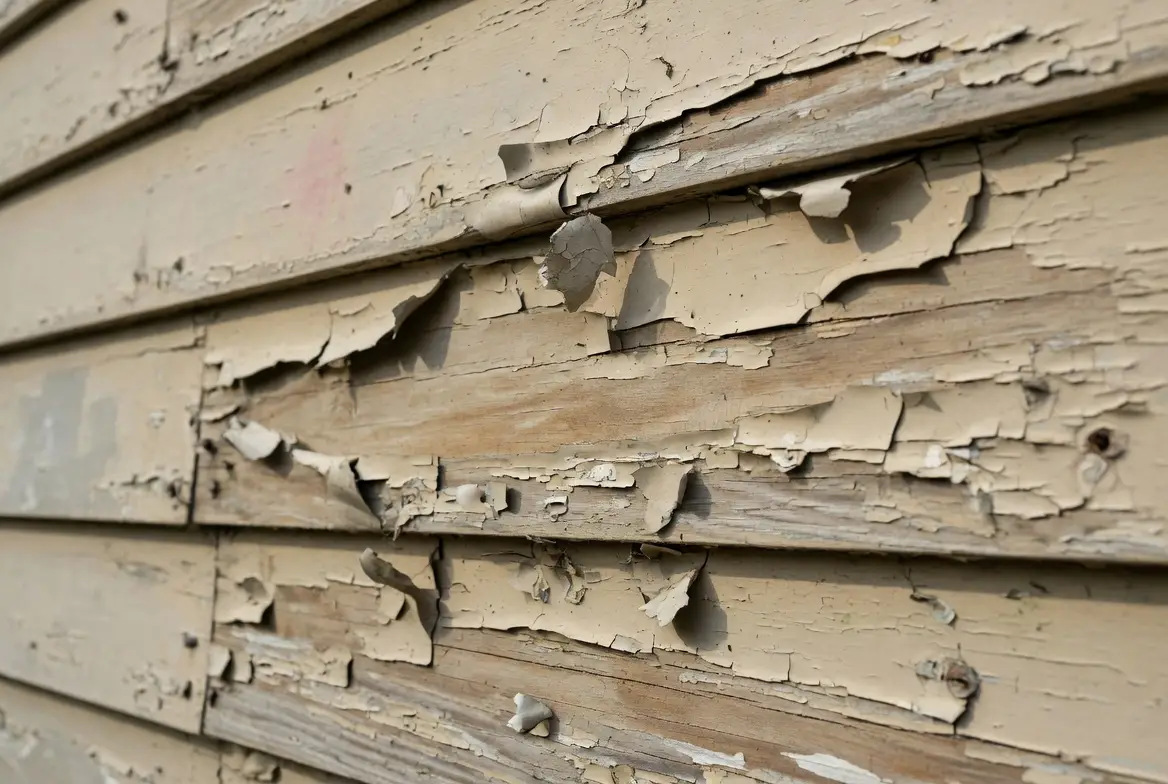
I’m talking about the soft spot by the tub. The water stain on the ceiling you covered with a Kilz primer that didn’t quite match. The back deck where two boards are loose. The furnace that hasn’t been serviced since the Obama administration.
Appraisers are trained to notice these and code them as “condition: average” instead of “good” or “above average.” That one-notch downgrade on a $450,000 home can cost you $15,000 to $25,000 in value — sometimes more.
The fix isn’t glamorous. Before listing, walk the house with a notepad. Anything that looks tired, half-finished, or deferred gets handled. A $900 weekend of handyman work often moves the needle more than $9,000 of renovations.
Bad Comps: The Silent Thing That Hurts a Home Appraisal
This is the one sellers almost never see coming.
An appraiser pulls three to six recent comparable sales in your area to anchor value. If those comps are bad — short sales, distressed properties, a weird fixer that sold to a flipper — your number drops through no fault of your own.
I once had a seller in Northeast Philly get nailed because a nearly identical home three doors down had sold six months earlier in a divorce situation for $40,000 under market. That comp dragged her appraisal down $22,000.
What do you do about this? Two things:
- Before listing, pull your own comps. Look at closed sales within 0.5 miles, in the last 3-6 months, same bedroom count, similar square footage. If there’s a stinker in the mix, you need to be ready to explain it.
- When the appraiser shows up, hand them a one-page packet. Three strong comps, your property’s improvements, any unique features. Don’t argue — just give them the ammunition they need to support your number.
This isn’t coaching the appraiser. It’s giving them data they’d otherwise have to dig up themselves.
Curb Appeal (Yes, It Still Matters)
People roll their eyes at this one, but appraisers are human. The first twenty seconds of the visit anchor everything that follows.
Peeling paint on the trim. A garage door that’s sagging. Dead mulch beds. Mail piled up on the porch. None of these individually cost much to fix. Together, they set a tone the appraiser carries through every room.
The cheap version of curb appeal is a $40 bag of fresh black mulch, two hours with a pressure washer, and a $22 welcome mat. Do that the morning of the appraisal.
Unfinished Projects and DIY Horror Shows
This one’s painful because it punishes your effort.
Half-finished basement? That’s square footage that can’t count toward the appraisal. Open permits for a deck or kitchen that never got a final inspection? That’s a flag. DIY electrical that isn’t up to code? That’s another flag. Popcorn ceiling you ripped out but never replaced? You see where this is going.
If you’re mid-project when you decide to sell, my honest take: either finish it to a normal standard or undo it. A half-built bathroom is worth less than no bathroom at all because the appraiser has to assume a buyer will need to pay to complete the work.
Pull permits before listing if you’re not sure what’s on record. It’s usually a quick call to your township office.
Clutter, Dirt, and That One Weird Room
I’ll say the quiet part out loud: a clean, neutral house appraises higher than a cluttered, personalized one. Not because the appraiser is judging your aunt’s collection of ceramic roosters — but because condition calls are subjective and a clean space reads as better maintained.
Pet smell is the big one. Appraisers can absolutely log “strong pet odor” as a condition issue. If you have cats or large dogs, deep-clean carpets or replace them, use an ozone machine for 24 hours before the visit, and get the house professionally cleaned the day before.
The other one: kid rooms and hobby spaces. A converted bedroom that’s been turned into a home gym with rubber flooring and mirrored walls reads as a bedroom minus-one until proven otherwise. Put the mattress back, even temporarily.
Functional Obsolescence (The Cruel One)
This is the appraisal term for stuff that was fine in 1978 and is not fine now. A two-bedroom house with one bathroom. A kitchen you can only enter from the living room. Bedrooms without closets. A floor plan that forces you to walk through one bedroom to reach another.
You usually can’t fix functional obsolescence without a remodel. What you can do is price realistically and stop expecting a 2026 value on a 1978 layout.
If your house has one of these quirks, don’t pretend it’s not there. Get an honest comparative market analysis before you list. HomeRise has a free CMA tool that will give you a grounded number.
Location Factors You Can’t Change
You can’t move your house off a busy road. You can’t relocate the power lines. You can’t shift the school district boundary.
What you can do is:
- Know the hit. In most markets, busy-road properties appraise 8-15% lower than identical homes on quiet streets. Commercial adjacency runs about 5-10%. Power lines visible from the yard: roughly 3-7%.
- Don’t get blindsided. If you bought in a quiet neighborhood and a highway expansion put you on the front lines, that’s a different appraisal now.
- Lean on unique positives. Corner lot with mature trees. Walking distance to a park. Views of something other than a parking lot. These can partially offset.
What Not to Say to the Appraiser
The appraiser is not your friend. They’re not your enemy either. They’re a neutral party with a job to do, and most of them just want to finish in 35 minutes and move on.
Three things to avoid:
- “We’re hoping it comes in at at least $X.” You just told them your ceiling. Unless you’re trying to get a sales-contract appraisal and they already know the price, keep the number to yourself.
- “We’ve had some problems with the roof/foundation/plumbing.” If you mention it, they have to report it. Answer honestly if asked. Don’t volunteer defects.
- “Our neighbor’s house sold for [wild number].” Unless you have the actual closing records for a genuinely comparable property, this sounds like wishful thinking.
What you should do: hand them a tidy list of improvements (with dates and receipts if you have them), point out anything easy to miss (new HVAC, updated electrical panel, roof age), and then get out of the way.
How to Fix What Hurts a Home Appraisal Before Selling
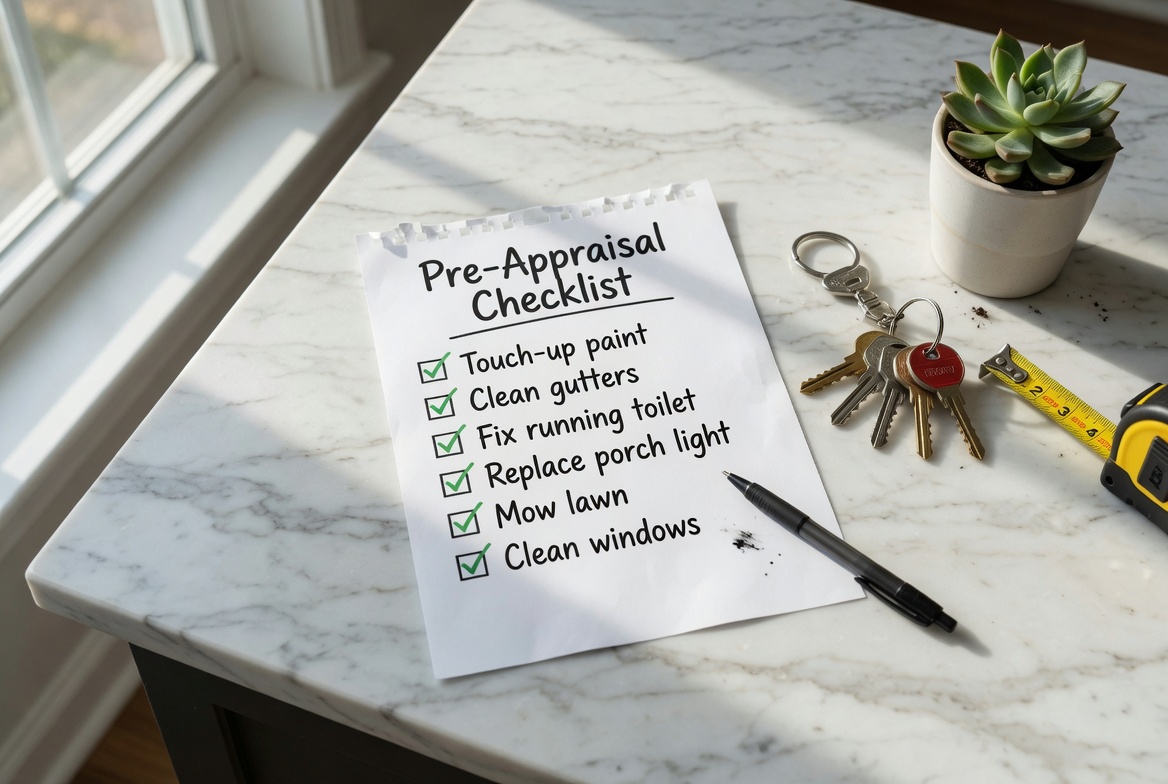
Here’s my pre-appraisal checklist for sellers. Work through it two weeks before the appointment, not the morning of.
Two weeks out
- Walk every room with a contractor or handyman. Get a punch list.
- Get any open permits closed. Schedule final inspections.
- Service the furnace and AC. Keep the receipts.
- Deep clean carpets. Address any pet odor aggressively.
- Pull your own comps. Print the three best.
One week out
- Touch-up paint on high-traffic walls and trim.
- Fix or replace anything obviously broken: doorknobs, outlet covers, cabinet pulls, running toilets.
- Pressure wash the front walk, driveway, and siding.
- Mulch, trim, mow.
Day of
- Lights on in every room. Blinds open.
- Counters cleared, beds made, dishes away.
- Pets out of the house.
- Comp packet + improvements list on the kitchen counter.
It’s not magic. It’s just respect for the process. A house that shows like this appraises closer to list in my experience — sometimes $10,000 to $30,000 higher than the identical house that wasn’t prepped.
What Hurts a Home Appraisal Most in 2026? (The Seller Cheat Sheet)
If you only remember one thing about what hurts a home appraisal right now, remember this: appraisers in 2026 are noticeably more conservative than they were in 2022. They are writing longer explanations, pulling more comps, and flagging more adjustments.
One of the most overlooked parts of what hurts a home appraisal is the small stuff — a scuffed stair rail, a cracked garage slab, a kitchen that never quite got finished — shows up as line items in a way it didn’t a few years ago. I have seen appraisals come back $20,000 light over a single photograph of a chipped window sill. That is what hurts a home appraisal in the modern market.
What hurts a home appraisal in one house won’t necessarily hurt one three blocks over. Appraisal is contextual, and it is comparative. But the pattern-matching I do across Houwzer, Trelora, and HomeRise listings tells me one thing over and over: the line items that hurt a home appraisal most are almost always fixable in the 14 to 21 days before the appraiser walks through. You don’t have to renovate. You just have to stop bleeding points.
The Hidden Stuff Appraisers Notice First — and What Hurts a Home Appraisal Before a Single Number Is Written Down
When I’m walking a seller through what hurts a home appraisal before their listing goes live, here is what I tell them to look at first — because it is exactly what the appraiser will photograph the moment they walk in:
- Water staining on ceilings. Even resolved leaks leave a mark. Repaint before listing and keep the receipt.
- Exposed wiring in the basement or garage. One visible wire nut is a “functional defect” flag that shows up in the report.
- Fogged window seals. Foggy dual-pane glass is one of the most commonly cited things that hurts a home appraisal in older homes.
- Missing GFCI outlets. Kitchens and bathrooms without GFCI protection trigger required corrections on FHA and VA loans.
- Soft spots in the subfloor. Bathrooms especially. Appraisers step, listen, and take notes.
- Smoke detectors in every bedroom. Missing detectors create a callback requirement that delays closing by a week or more.
The reason I harp on this: I’d rather you spend $600 on a handyman than lose $6,000 because what hurts a home appraisal in your listing turned out to be a 30-minute fix you skipped.
Field Notes: Two Recent Appraisals That Went Sideways (Real Cases of What Hurts a Home Appraisal)
A real-world example of what hurts a home appraisal: last quarter I worked a listing in Bucks County where the seller had done everything right — staged, painted, new landscaping — except for one unfinished bathroom on the second floor. The appraiser dinged the home $18,000 for “incomplete scope of work” even though the rest of the property was pristine. That single bathroom is a textbook example of what hurts a home appraisal when sellers underestimate how appraisers weight unfinished work.
Same story, different angle on what hurts a home appraisal — a month later, a different client in Montgomery County got the opposite surprise: the appraisal came in $12,000 over asking because they had spent three weekends cleaning the garage, repainting the front door, and removing a broken storm window. None of those fixes cost more than $800 total. That contrast is the single best illustration I can give you of what hurts a home appraisal — and what quietly helps one.
Why Your Commission Rate Matters More Than a $10K Appraisal Miss
Here’s the part most appraisal guides don’t mention — and it’s the reason I do this job.
You can lose $15,000 to a bad appraisal. That hurts. But on a $525,000 home, a traditional 6% commission costs you $31,500 in agent fees alone. The commission hit is more than double a bad appraisal hit, and you write that check whether your appraisal is high, low, or right on the nose.
At HomeRise we list full-service for a flat fee instead of a percentage, which on that same $525,000 house usually saves the seller $15,000-$20,000 versus the traditional model. Put that next to the appraisal fixes above and you’re looking at the difference between keeping or losing a full year of mortgage payments.
Both matter. Prep the house. But also do the math on who you list with.
If you want to see what your specific number looks like, the HomeRise commission calculator gives you an apples-to-apples comparison in about 30 seconds.
Regional Patterns: What Hurts a Home Appraisal by Market
One thing I’ve learned running listings across Pennsylvania, Maryland, New Jersey, Virginia, and Colorado: what hurts a home appraisal in a hot market looks completely different from what hurts a home appraisal in a cooler one.
In a seller’s market with three-week inventory, appraisers tend to lean supportive — they’ll stretch to justify the contract price. In a balanced or buyer’s market, they get conservative fast. The same flaws that were overlooked six months ago suddenly cost $8,000 to $15,000 — which is precisely what hurts a home appraisal when sellers misread the cycle.
Sellers in Philadelphia and Baltimore this spring are especially exposed. Inventory is up, buyer demand has softened on homes above $500K, and I’m seeing appraisers flag things like original 1980s kitchens, single-pane windows, and older HVAC systems as meaningful negative adjustments.
If you’re listing in either market, do not assume last year’s appraisal cushion will save you — it won’t. Walk the house as if you were the appraiser, and fix every flag before the inspection window opens. Knowing what hurts a home appraisal in your exact market is half the game.
In Denver and the Front Range, the story is slightly different: what hurts a home appraisal there most often is unpermitted work. Finished basements without permits, decks added without inspection, a fourth bedroom conversion that never hit the tax roll — all three routinely knock $10,000 to $20,000 off a Colorado appraisal. Pull permits before listing, or price accordingly.
When we break down what hurts a home appraisal region by region, the common thread across every market: the things that hurt a home appraisal in 2026 reward sellers who prep and punish sellers who cross their fingers. The cost to prep is almost always under $2,000. The cost of skipping it averages $12,400 in our portfolio. That is the math on what hurts a home appraisal, and it is the math I walk every HomeRise client through before we list.
Frequently Asked Questions About What Hurts a Home Appraisal
What hurts a home appraisal the most?
If you have to pick one answer to “what hurts a home appraisal,” it is deferred maintenance and bad comps — those are the two biggest drags. Deferred maintenance downgrades your property’s condition rating, which can take 3-5% off the value. Bad comps in your neighborhood — especially recent distressed sales or foreclosures — can cost you even more because they anchor the appraiser’s number from the start. According to the National Association of Realtors, appraisers typically weight comparable sales as the dominant factor in residential appraisals.
Does a dirty house hurt a home appraisal?
Yes, though less than people think. Dirt and clutter don’t directly lower the value because the appraiser is looking at structure and condition, not staging. But a dirty home can push condition from “good” to “average” on borderline calls, which translates to real dollars. Clean counts.
Can a bad comp hurt a home appraisal?
Absolutely. If a foreclosure or short sale closed in your neighborhood in the last six months, it can show up in your appraiser’s data set and drag your number down. The best defense is providing your own comp packet on the day of the appraisal — three strong, recent, genuinely comparable sales with clear notes on why they’re the right benchmark.
What should I fix before the appraiser comes?
Focus on visible defects and safety items first: peeling paint, leaks, broken fixtures, tripping hazards, burnt-out bulbs, and any sign of deferred maintenance. Don’t start a major renovation — appraisers value condition, not new countertops. A weekend of handyman-level repairs usually returns far more than a kitchen remodel started a month before listing.
How long does a home appraisal take?
The on-site inspection typically takes 30 to 60 minutes for a single-family home. The full written report, delivered to the lender, usually arrives 5 to 10 business days later. If your appraisal is time-sensitive for a contract, ask your lender to order it as early as possible after the inspection is accepted.
How much does a bad appraisal cost a seller?
On a $500,000 home, a $20,000 appraisal shortfall is common when a house isn’t prepped properly. That can mean a re-negotiated price, a canceled deal, or a buyer bringing cash to bridge the gap — which usually ends with them walking away. Zillow’s research on appraisal gaps puts the average appraisal gap when deals fall through at roughly $15,000-$25,000.
Bottom line on what hurts a home appraisal: most of it is fixable if you know what to look for. Deferred maintenance, bad comps, clutter, curb appeal, and what you say on the day of the visit — all of it is in your control. What isn’t in your control is the check you write to your listing agent. Fix the house. Then fix who you’re paying.
David Speers is a prop-tech and real estate analyst at HomeRise.com, where he helps homeowners navigate what hurts a home appraisal and sell smarter without paying traditional commission rates.