How to Price Your Home Right Without an Agent: A Seller’s Guide

Homerise - How To Set Fsbo Home Price Accurately - List On The Mls For $95

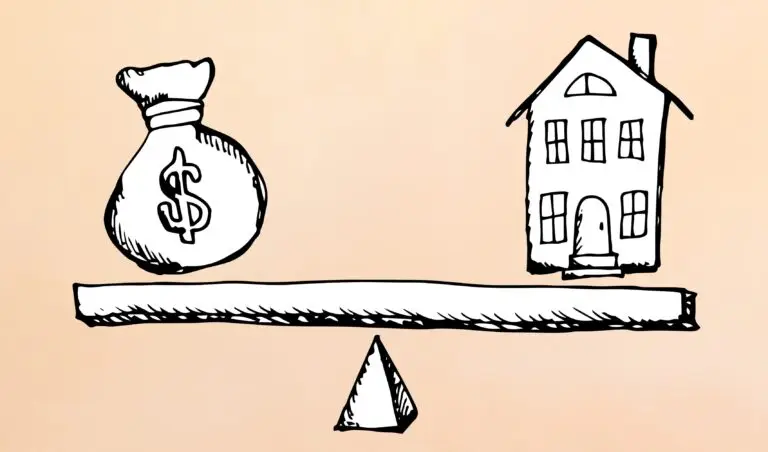
Setting the right price for your home is one of the most critical steps in selling it successfully—especially when selling it yourself. Without the guidance of a real estate agent, FSBO (For Sale By Owner) sellers must take on the challenge of pricing their property accurately to attract buyers while maximizing their profit. This guide breaks down the essential steps and tools to help you price your home correctly, ensuring a smooth and successful sale. Understanding Market Value What is Market Value? Market value is the price a buyer is willing to pay for your home in the current market. It’s not necessarily what you think your home is worth—or even what you hope to get for it. Understanding this concept is crucial because overpricing can discourage buyers, while underpricing may leave money on the table. How Do Buyer Behavior and Market Trends Impact Pricing? Market trends and buyer behavior play a significant role in determining market value. For example: High Demand, Low Supply: If there are more buyers than available homes, you might be able to price slightly higher. Low Demand, High Supply: In a buyer’s market, you may need to price competitively to attract offers. Researching your local market trends gives you the insight needed to price your home strategically. Research Tools and Methods What Tools Can FSBO Sellers Use to Determine Value? Online Estimators: Platforms like Zillow’s Zestimate or Redfin’s valuation tools provide a starting point, though their accuracy varies. Comparative Market Analysis (CMA): Conducting a CMA gives a more accurate snapshot of your home’s value. Professional Appraisals: Hiring an appraiser can provide an expert opinion on your home’s worth. Costs typically range from $300 to $500 but can be invaluable for setting the right price. How Accurate Are Online Estimators? While tools like Zillow’s Zestimate can be helpful, they rely on algorithms that may not account for unique features or recent upgrades to your home. Use these tools as a baseline, not a definitive answer. Conducting a Comparative Market Analysis (CMA) What is a CMA? A CMA compares your home to recently sold, active, and expired listings in your area to determine a realistic price. Key Factors to Consider: Recently Sold Listings: Look at homes similar in size, condition, and location. Active Listings: See how your competition is priced. Expired Listings: Learn from homes that didn’t sell—overpricing is often the culprit. Factors Affecting Home Value What Features Add or Detract from Value? Square Footage: Larger homes typically command higher prices. Upgrades and Renovations: Modern kitchens and updated bathrooms can significantly increase value. Location: Proximity to schools, parks, and amenities can raise a home’s desirability. How Do Local Market Conditions Influence Pricing? External factors like interest rates, job growth, and seasonal trends also affect home value. Stay informed about what’s happening in your local market. Avoiding Common Pricing Mistakes What Are the Risks of Overpricing or Underpricing? Overpricing: Your home may sit on the market too long, signaling to buyers that something might be wrong. Underpricing: While it might lead to a quick sale, you could lose out on significant profit. How Does Emotional Attachment Skew Pricing? It’s easy to let memories cloud your judgment. Rely on objective data, not personal feelings, to set your price. Adjusting Your Price Based on Market Feedback How Can You Tell if Your Price Needs Adjustment? If your home isn’t generating interest or offers within the first few weeks, it’s a sign that the price might be too high. What Should You Do if Your Home Isn’t Selling? Be prepared to lower your price slightly if needed. Small adjustments can make a big difference in attracting buyers. Highlighting Buyer Agent Commissions Should FSBO Sellers Offer Buyer Agent Commissions? Although you’re selling without a listing agent, offering a buyer agent commission (usually around 2%-3%) can make your property more appealing to buyers’ agents. Note that this is not required. How Do Commission Savings Impact Pricing? By saving on listing agent commissions, you may have room to price your home more competitively or pocket the extra profit. Using Technology to Your Advantage How Can Technology Help Set an Accurate Price? MLS Listings: Listing on the MLS can increase your visibility and provide feedback on your pricing. Home Valuation Apps: Tools like Realtor.com’s valuation app can help you stay informed. Analytics Tools: Platforms like HomeLight can help analyze market trends. Should You Hire a Professional Appraiser? A professional appraisal offers an unbiased opinion of your home’s value and can be a worthwhile investment to avoid pricing mistakes. Final Checklist for FSBO Pricing Success: Research your local market conditions. Use tools like CMAs, online estimators, and professional appraisals. Avoid emotional pricing and focus on data. Monitor buyer feedback and adjust your price if necessary. By following these steps, you can confidently set the right price for your FSBO home and increase your chances of a quick, successful sale.

How Interest Rates Impact For Sale By Owner Sellers

Homerise - How To Set Fsbo Home Price Accurately - List On The Mls For $95

When selling your home as a For Sale By Owner (FSBO), understanding how interest rates affect the housing market is crucial. These rates significantly influence buyer behavior, pricing strategies, and your overall success in selling your home. Here, we’ll explore how interest rates impact FSBO sellers and provide actionable insights to help you navigate the current market. Interest Rates and the Real Estate Market Interest rates play a pivotal role in shaping the real estate landscape. Whether rates are climbing or falling, they directly influence home affordability and buyer activity. How do rising or falling interest rates affect the housing market? When interest rates rise, borrowing becomes more expensive. Buyers may qualify for smaller loans, reducing their purchasing power. In contrast, falling interest rates lower borrowing costs, making homes more affordable and driving demand. What trends are we seeing in the real estate market during high or low interest rate periods? High Rates: Reduced buyer activity and longer time on market for properties. Sellers may need to offer concessions or lower prices. Low Rates: Increased competition among buyers, leading to quicker sales and potentially higher offers. Understanding these dynamics is key for FSBO sellers aiming to price their homes competitively. FSBO Sellers and Interest Rates Selling your home without a real estate agent means you must handle market shifts, including the impact of interest rates, on your own. Why do interest rates matter to FSBO sellers specifically? FSBO sellers rely on competitive pricing and strategic marketing to attract buyers. In high-interest-rate environments, buyers may be more selective, requiring FSBO sellers to work harder to stand out. How do changes in buyer purchasing power affect FSBO sellers? Higher interest rates shrink buyer budgets, potentially leading to fewer offers and lower bids. FSBO sellers must understand their target buyer demographic and adjust their strategies accordingly. Are FSBO homes more or less attractive to buyers in high-interest-rate markets? FSBO homes can appeal to budget-conscious buyers because they may be priced slightly lower without the added cost of agent commissions. However, sellers must ensure their homes are priced right to capitalize on this advantage. Pricing Strategies for FSBO Sellers Proper pricing is essential, particularly in volatile interest rate environments. Should FSBO sellers adjust their asking price based on interest rates? Yes. Rising rates can reduce demand, so pricing slightly below market value may attract more buyers. Conversely, in low-rate markets, sellers might price more aggressively. How can FSBO sellers use interest rate trends to price competitively? Monitor rate changes through reputable sources like the Federal Reserve or mortgage lenders. Research comparable sales to understand how similar homes are performing under current market conditions. Highlight any cost-saving features of your home, such as energy-efficient appliances, which may offset buyers’ concerns about higher borrowing costs. Buyer Behavior Under Different Interest Rates Interest rates significantly shape how buyers approach the homebuying process. How do interest rates influence buyer demand for FSBO properties? Higher rates may lead buyers to favor properties with incentives, such as lower listing prices or seller concessions. FSBO sellers can gain an edge by offering these perks. Are buyers more likely to negotiate aggressively during high-interest-rate periods? Yes. Buyers facing higher monthly payments due to increased rates often negotiate more forcefully. FSBO sellers should be prepared for counteroffers and consider how much flexibility they have in pricing. Marketing FSBO Properties in a High-Interest-Rate Environment Effective marketing becomes even more critical when interest rates are high. What strategies can FSBO sellers use to stand out when interest rates are high? Invest in professional photography to showcase your home’s best features. Use descriptive, keyword-rich MLS listings to reach a wider audience. Leverage social media and local advertising to amplify your listing. How can FSBO sellers leverage creative financing solutions to attract buyers? Consider offering seller financing or contributing to closing costs to make the deal more appealing. These options can reduce the financial burden on buyers and make your property stand out. Practical Tips for FSBO Sellers Succeeding as a FSBO seller in any interest rate environment requires preparation and adaptability. What are the best ways to stay informed about interest rate changes? Subscribe to updates from financial institutions like Freddie Mac or Fannie Mae. Follow reputable real estate blogs and news sources. Speak with a mortgage broker for insights into local market conditions. How can FSBO sellers work around high-interest rates to close a sale faster? Highlight your home’s unique selling points in all marketing materials. Be open to negotiations and creative deal structures. Offer incentives like including furniture or covering home warranty costs. Final Thoughts Interest rates are a critical factor in the real estate market, impacting everything from buyer behavior to pricing strategies. FSBO sellers must stay informed, adjust their approaches as needed, and prioritize strong marketing to succeed in any interest rate environment. By understanding how interest rates affect the market, you can position your home for a successful sale—no matter the economic climate.