
How to List Your Home on MLS Without an Agent

Last updated March 20, 2026 You don’t need a real estate agent to get your home on the MLS. You just need a licensed broker willing to list it for you — and that’s exactly what flat-fee MLS services do. For somewhere between $95 and $500, a flat-fee service puts your property on the same MLS database that every traditional agent uses. From there, it automatically shows up on Zillow, Realtor.com, Redfin, and hundreds of other sites where buyers actually search. You skip the 3% listing commission and keep that money in your pocket. On a $400,000 home, that’s roughly $12,000. The catch? You handle the rest — pricing, photos, showings, negotiations, paperwork. For sellers who’ve done this before or are willing to put in the work, that trade-off is worth it. For those who aren’t, there are full-service options at 1% that split the difference. This guide walks through the entire process, from choosing a flat-fee service to managing your listing after it goes live. In This Guide What the MLS Is and Why It Matters How to Get MLS Access Without an Agent Getting Your Home Ready for the MLS The Listing Process Step by Step Managing Your Listing After It Goes Live Key Benefits of DIY MLS Listings FAQs What the MLS Is and Why It Matters The Multiple Listing Service (MLS) is the database where real estate agents and brokers share property listings. When a home goes on the MLS, it gets syndicated automatically to Zillow, Realtor.com, Redfin, Trulia, and every major real estate search site. That’s how about 86% of buyers — the ones working with agents — find homes to tour. There’s no single national MLS. As of mid-2025, there are 510 separate MLS systems across the U.S., plus 35 in Canada. Each one covers a specific region, so the MLS in your area focuses on local listings. When you list on your local MLS, you’re visible to every buyer’s agent working that market. The MLS also gives your listing something you can’t get from Craigslist or a yard sign: credibility. A home on the MLS signals to buyers and their agents that you’re a serious seller with a legitimate listing. That matters when it comes to attracting offers. Here’s the key stat: homes listed on the MLS sell for roughly 17.5% more than homes sold off-MLS. That gap alone makes the $95–$500 flat-fee cost a no-brainer for most FSBO sellers. How to Get MLS Access Without an Agent Only licensed real estate agents and brokers can post listings directly to the MLS. But you don’t need to hire a full-commission agent to get access. Flat-fee MLS listing services are run by licensed brokerages that list your property for a fixed fee instead of a percentage commission. Here’s how it works: you sign up with a flat-fee service, provide your property details and photos, and a licensed broker submits your listing to the MLS. Your home then syndicates to all the major real estate websites automatically. You retain control of showings, negotiations, and the sale itself. Costs range from about $95 (HomeRise Essentials) to $500 for more feature-rich packages. Some providers charge up to $5,000 for concierge-level support that starts to approach what a discount broker offers. When picking a service, a few things to check: Does it cover your local MLS? Not all services list on every MLS. Make sure yours covers the specific system in your area. What’s the real total cost? Some providers advertise low base prices but tack on fees for photos, listing changes, or settlement. HomeRise’s pricing is upfront — $95 for Essentials, $495 for Advanced, no surprise charges. How long does the listing last? Some services limit your listing to 6 months. Others run until you cancel or sell. Can you make changes after listing? Price adjustments, photo updates, and description edits are common. Some services charge per change; others include unlimited edits. Getting Your Home Ready for the MLS Documents You’ll Need Without an agent, the paperwork falls on you. Gather these before you list: a valid ID, your deed or title documents, tax records, any HOA documents, inspection reports (if you have them), and your state’s required seller disclosure forms. Disclosure requirements vary by state. In California, you’ll need a property disclosure form and a lead-based paint disclosure for pre-1978 homes. In Texas, the seller’s disclosure notice is a state-mandated form. Check what your state requires — skipping disclosures can lead to legal trouble after closing. Writing a Description That Sells Your listing description is the first thing buyers read after looking at your photos. Keep the headline under ten words and lead with your home’s strongest feature — the thing that makes someone stop scrolling. Be specific. “Updated kitchen” tells a buyer nothing. “Kitchen remodeled in 2024 with quartz counters and soft-close cabinets” tells them a lot. Zillow’s own research shows that certain words actually affect sale prices — terms like “impeccable” and “landscaped” move the needle up, while “fixer” and “TLC” push it down. Skip the all-caps and exclamation marks. Write the way you’d describe the house to a friend who asked, “So what’s it like?” Photos and Visual Content This is where most FSBO sellers either nail it or blow it. Bad photos kill listings. If your budget allows it, hire a professional photographer — it’ll cost $200–$400 and the ROI is immediate. If you’re shooting yourself, use natural light (midday, all lights on, all blinds open), clean and declutter every room, and shoot from doorways to make rooms look larger. The exterior shot is your listing’s cover photo — make it count. A few stats that show why visuals matter: listings with floor plans see up to 50% less time on market. And 93% of buyers say they’re more likely to engage with a listing that includes a floor plan. If you can add a 3D walkthrough or video tour, that’s even better. The Listing Process Step by Step 1. Pick
Average Real Estate Commission Rates 2026 — Flat Fee vs Commission Compared

Last updated March 17, 2026 Here’s what nobody in real estate wants you to do: the math. On a $400,000 home, the standard commission — still hovering between 5.44% and 5.70% depending on who you ask — works out to roughly $22,000. That’s a new car. That’s a year of childcare. And it comes straight out of your equity at closing, whether your agent spent 200 hours marketing your home or 20. The flat fee alternative? As little as $95 upfront for the same MLS exposure. That gap is why we wrote this guide — and why we update it every time the data shifts. Since the NAR settlement took effect in August 2024, commission structures have changed in theory. In practice, rates have barely moved (and may have actually increased slightly on the buyer’s side). What has changed is that sellers now have more room to choose how they pay — and flat fee services like HomeRise have filled that space. If you’re selling in 2026, this is the decision that will affect your bottom line more than almost anything else. In This Guide Average Real Estate Commission in 2026 Quick Comparison: Flat Fee vs Commission How Flat Fee Real Estate Actually Works How Commission-Based Real Estate Works 2026 Cost Comparison by Region and Home Value HomeRise vs Zillow, Redfin, and Other Options Which Sellers Benefit Most from Each Model Real 2026 Case Studies and Savings Questions to Ask Before You Choose FAQs What Is the Average Real Estate Commission in 2026? The short answer: somewhere between 5.44% and 5.70% combined, depending on the source. A February 2026 survey by Clever Real Estate, covering 533 agents, put the national average at 5.70% — broken down as 2.88% for the listing agent and 2.82% for the buyer’s agent. Other sources, including NAR-derived data, put the combined average closer to 5.44%, with a 2.77% / 2.67% split. Here’s what that actually costs at different price points: Home Price At 5.44% Commission At 5.70% Commission Flat Fee (HomeRise Essentials) $300,000 $16,320 $17,100 $95 + settlement fee $400,000 $21,760 $22,800 $95 + settlement fee $500,000 $27,200 $28,500 $95 + settlement fee $750,000 $40,800 $42,750 $95 + settlement fee The thing that jumps out isn’t the difference between 5.44% and 5.70%. It’s the difference between any percentage and a flat fee. At $500K, you’re looking at $27,000+ in commissions versus under $600. And yes — with a flat fee MLS listing, your home still goes on the MLS, Zillow, Realtor.com, and every other major listing site. The exposure is identical. Commission rates by state vary more than most people realize. Michigan sits at the high end, averaging around 6.03%. States like California tend to run lower (around 5.03%), partly because higher home values make the dollar amounts so large that agents are more willing to negotiate. If you’re in a high-commission state, the savings from going flat fee are even more dramatic. One more thing worth noting: after the NAR settlement, buyer’s agent commission actually rebounded. It dropped briefly from about 2.6% to 2.5% in late 2024, then climbed back to 2.82% by early 2026. The settlement gave sellers more flexibility in how they structure buyer agent compensation, but it didn’t trigger the fee compression a lot of people expected. Quick Comparison: Flat Fee vs Commission Models Feature Traditional Commission Model Flat Fee Model (HomeRise) Listing Agent Cost 2.5%–3% of the sale price. The more your home sells for, the more you pay. One set fee ($95–$495 upfront), or 1% at closing for full service. Same cost regardless of sale price. Buyer’s Agent Cost Typically 2.5%–3%. Standard expectation. You choose the commission to offer — typically 2%–3% to stay competitive. Equity Logic Penalizes growth. Higher property value = higher fee. Protects equity. If your home sells $50K over ask, you keep that $50K. MLS & Online Exposure MLS listing, Zillow, Realtor.com, Trulia syndication. Identical. Same MLS listing and syndication to every major site. Services Full service — signage, lockbox, showings, negotiation, paperwork. Ranges from DIY with MLS access to full service with a local expert at 1%. Transparency Fees are a percentage buried in the closing statement. Clear, upfront pricing. You know the cost before you list. How Flat Fee Real Estate Actually Works Flat fee real estate gives sellers access to the MLS — the database that feeds listings to about 80% of active buyers — without paying a percentage of their sale price for the privilege. You pay a set amount. Your home gets listed. Buyers and their agents find you the same way they’d find any other listing. That’s really all there is to it at the basic level. The difference between flat fee providers is how much support you get beyond the listing itself. At HomeRise, there are three tiers: Essentials ($95 + settlement fee): MLS listing and syndication. You run the sale. Best for experienced sellers and investors who’ve done this before and don’t need hand-holding. Advanced ($495 + settlement fee): Everything in Essentials, plus more tools and guidance along the way. Full Service (1% at closing): A licensed local expert handles pricing, showings, negotiation, and paperwork. It’s a real agent experience at a third of the cost. A real example: Chris Driver listed his Charlottesville, VA home through HomeRise and had an accepted offer in two days. He saved the entire 3% listing fee. His advice? “Take really good quality pictures of your home and put together a warm, inviting, detailed home description. Go get a $20 lock box, and be cool with paying a fee for the buyer agent. You’ll save the entire listing fee of 3%.” That’s the flat fee approach in practice — you trade some DIY effort for thousands in savings. And if things get complicated mid-sale, you can upgrade your package without starting over. How Commission-Based Real Estate Works Commission-based agents charge 2.5% to 3% of the sale price, collected at closing. You also typically offer a similar percentage to the buyer’s
Spring Is Almost Here. Is Your Real Estate Strategy Ready?

If you’ve been keeping an eye on the real estate market, you’ve probably noticed things feel different lately. It’s not the rollercoaster of a few years ago, and not the sluggish freeze of high-rate season either. The 2026 market is about efficiency; more people are moving away from traditional high-cost models in favor of smarter alternatives like flat fee MLS listings Rates are hovering around 6.1% and there’s actually inventory to choose from, up about 20% from last year. For buyers, that means less panic. For sellers, it means more buyers are back in the mix. If you’re weighing a flat fee MLS listing or just trying to figure out whether this spring is your moment, here’s a practical look at how to get ready. Sellers: Make the Most of The Next Two Weeks The sellers who come out ahead this spring won’t necessarily be the ones who spent the most money on their home before listing: they’ll be the ones who spent their time and money in the right places. Get your home showing-ready, not totally revamped Renovating before you list sounds logical: new countertops, a fresh coat of paint, an updated guest bathroom. But here’s the thing—most of it won’t move the needle the way you’re hoping. What buyers respond to is harder to put your finger on: it’s more of a feeling than a feature list. Can they see themselves living in the home, or does it feel like they’re walking through someone else’s life? Start by getting your most personal stuff out, such as family photos and the shelves full of unique personal collections. It sounds harsh, but it works. Then, shift your focus to condition over cosmetics. Present a broom-clean home, turn lights on, and and open window shades. Buyers notice these small touches, even when they can’t articulate why. Think hard about how you’re listing This is where a lot of sellers leave money on the table without realizing it. Before you sign with anyone, make sure you understand what you’re actually paying for and what you’ll walk away with. At HomeRise, we’re built around giving sellers more control and more transparency over that process—so the equity you’ve built stays yours. Buyers: Get Spring-Ready ASAP For buyers, March is less of a deadline and more of a starting gun. The listings are coming—the question is whether you’ll be ready to act when the right one shows up. Sort out your financing first It sounds obvious, but this is where a surprising number of buyers get tripped up. A pre-qualification is not the same as a pre-approval, and in a spring market where good homes go under contract within days, showing up without verified financing is a real liability. With rates in the low 6s, your budget may look different than it did six or twelve months ago—run the numbers again with a lender before you start seriously touring homes. Know what you actually need (versus what you want) Here’s a useful tip: if a home has roughly 80% of what you’re looking for, it’s probably worth serious consideration. The 20% that’s missing is usually cosmetic or fixable. Determine whether what’s missing is something fixable or something that can’t be changed (i.e. lot size). Also worth keeping in mind: homes that have been sitting on the market for a few weeks often represent better value than their freshly listed counterparts. Once a listing drops off the “new” filter, showings tend to fall off quickly—even if the home itself is solid. Sellers in that position are usually more flexible, and you’ll likely have less competition. Build in some flexibility The spring market moves fast. A home that lists on Thursday can realistically be under contract by the weekend. That means being ready to tour on short notice, having your financing buttoned up, and knowing your non-negotiables well enough to make a decision quickly when the time comes. Work with your agent to get on a real-time MLS feed, not just Zillow alerts. Zillow updates periodically from the MLS while the MLS can notify you the second a new home is listed. The Bottom Line The 2026 spring market isn’t something to fear, it’s something to prepare for. Whether you’re selling a home you’ve outgrown or buying your very first one, the next two weeks are your window to get ahead of the crowd. At HomeRise, we’re here to help you do exactly that. Let’s make your next move your best one.
10 Best Flat Fee MLS Listing Services in the US (2026)

10 Best Flat Fee MLS Listing Services in the US (2026) Flat fee MLS services list your home on the local MLS for a low upfront price, so you avoid the listing agent’s 2.5% to 3% commission and keep more equity. On a $500,000 sale, that can mean about $15,000 saved while still tapping MLS reach, which drives roughly 89% of home sales. National Association of Realtors (NAR) 2023 Profile of Home Buyers and Sellers In 2026, the best services pair transparent pricing with strong tools and support. Some charge true flat fees, others add success or compliance fees at closing. This list breaks down pricing, coverage, and real-world tradeoffs to help FSBO sellers choose confidently. Pricing and terms vary by state and MLS, so confirm details directly with each provider before you list. Key Takeaways Significant Savings: Flat fee MLS lets you avoid the 2.5%–3% listing commission, often saving about $15,000 on a $500,000 home. Bankrate MLS Exposure Matters: About 89% of homes sell via the MLS ecosystem, so syndication to major sites is critical. National Association of Realtors (NAR) 2023 Profile of Home Buyers and Sellers Watch for Hidden Costs: Some services add 0.25%–1.25% closing fees; a 0.5% fee on $500,000 is $2,500. List With Freedom, Houzeo, TrueParity What Are Flat Fee MLS Listings? A flat fee MLS listing gets your home on the local Multiple Listing Service for a set price instead of a percentage commission. You eliminate the listing side commission, commonly 2.5% to 3%, and keep more of your equity. Bankrate The savings add up fast. On a $500,000 sale, avoiding a 3% listing agent fee equates to roughly $15,000 retained by the seller. Bankrate Exposure is comparable to hiring a listing agent because your home appears in the MLS and syndicates to major portals buyers use. About 89% of homes are sold with MLS exposure. National Association of Realtors (NAR) 2023 Profile of Home Buyers and Sellers Best fit: hands-on sellers who can manage photos, showings, and negotiations, and who value cost savings and control over white-glove service. Flat Fee vs. Traditional Agent Traditional agents charge a percentage of your sale price, which scales with your home’s value. Flat fee services charge a set price, so costs stay predictable while you still reach MLS buyers. The tradeoff is more DIY effort for tasks an agent usually handles. Bankrate How Do Flat Fee MLS Listing Services Work? The modern workflow is five steps: choose a provider, complete listing data and disclosures, broker compliance review, MLS activation, then manage leads and offers. Activation often occurs within 24 to 48 hours after compliance approval. Ohio Team Results, FlatFee.com You’ll upload photos, set price and terms, and decide the buyer agent commission you offer. A licensed broker publishes your listing to the local MLS. You then handle inquiries from buyer agents and unrepresented buyers, coordinate showings, and negotiate terms. FlatFee.com Key difference from full service: entry-level plans rarely include in-person showings or hands-on negotiations. Many providers offer optional upgrades for contract support or more robust marketing. Hands-On Tasks Sellers Commonly Handle Typical DIY responsibilities include photography, writing the description, scheduling showings, responding to calls, reviewing offers, and managing deadlines. Some platforms add dashboards and templates that streamline these steps, but you remain the primary decision-maker. FlatFee.com What Factors Should You Compare in 2026? True cost structure: identify all-in pricing. Some providers charge a low upfront fee and a percentage at closing known as a success or compliance fee. Houzeo’s closing fee ranges from 0.5% to 1.25%, which can add materially to costs. Houzeo A 0.5% fee on $500,000 equals $2,500. TrueParity Technology and dashboard: look for online listing editors, showing schedulers, and offer management. Higher-tech options reduce back-and-forth emails. MLS coverage and syndication: confirm your local MLS is covered and that your listing will appear on portals buyers use. Included services and limits: basic plans may cap photo uploads around 6 to 12 images, which can handicap marketing. ISoldMyHouse.com Also watch for change fees, sometimes $10 to $50 per edit for budget plans. ListingSpark State rules: minimum service laws in some states can require added broker duties, which may raise fees, according to industry research. Selection Methodology: How We Chose the Top Flat Fee MLS Services To identify the 10 best flat fee MLS listing services for 2026, we used a multi-point evaluation process focused on criteria that matter most to sellers. Our selection included: National or multi-state coverage: Preference was given to services available in multiple states or regions, ensuring broad access for sellers. Pricing transparency: We prioritized providers with clear, upfront pricing and disclosure of all fees, including any success or compliance charges at closing. User reviews and reputation: Independent user feedback from sources such as Trustpilot, BBB, and public industry reviews was considered to gauge customer satisfaction and highlight common pain points. Technology and support: Services offering robust dashboards, online management tools, or responsive human support received higher marks. Unique features or distinctions: We factored in any standout offerings, such as optional full-service upgrades, compliance expertise, or modular add-ons. All information was verified using provider websites and reputable third-party sources as of early 2026. We recommend confirming current details directly with each service before you list. Top 10 Flat Fee MLS Listing Services for 2026 Pricing and features vary by state and MLS. Verify current terms before you list. 1. HomeRise Pricing: $95 upfront, plus a transparent $495 settlement fee if sold. Bankrate Notable: Hybrid model with dashboard, human support, and an optional 1% Full Service safety net if you want an agent later Pros: Predictable pricing; strong exposure; safety net option Cons: Not entry-only cheapest if you never use support Distinction: Balanced tech plus transparency that avoids surprise percentage add-ons 2. Houzeo Pricing: Upfront often ranges from roughly $249 to $400+; closing fee 0.5% to 1.25% varies by plan and state. Houzeo Notable: Polished dashboard and Houzeo Offers tools Pros: Excellent software; automated disclosures Cons: Percentage-based closing fees can erode savings Distinction: Best-in-class
Home Inspection 101: What Sellers Should Expect When Selling Without an Agent
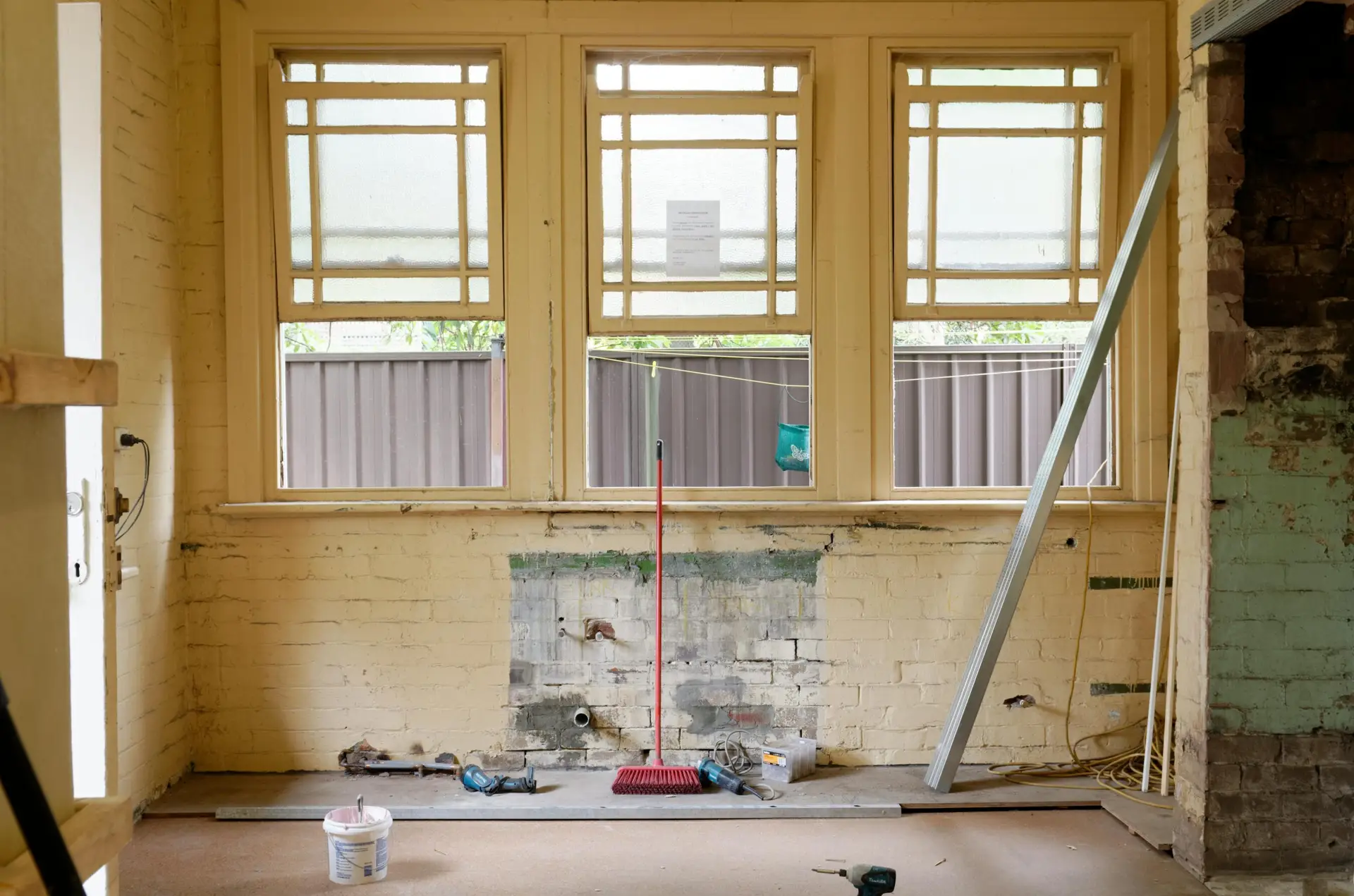
Selling your home without a realtor—commonly referred to as “For Sale By Owner” (FSBO)—can be an empowering choice, but it also requires careful preparation. One of the most critical steps in this process is the home inspection. Whether you’re a seasoned FSBO seller or navigating this for the first time, understanding the home inspection process can help you avoid surprises and maintain control of your sale. This guide will walk you through everything you need to know to prepare for and handle a home inspection without a realtor. Understanding the Home Inspection Process What Is a Home Inspection? A home inspection is a thorough evaluation of your property conducted by a licensed inspector. This process identifies the condition of the home, highlighting any issues with structural integrity, major systems (like HVAC or plumbing), and safety concerns. Why Is a Home Inspection Important for FSBO Sellers? For buyers, the home inspection provides reassurance that the property is a sound investment. For FSBO sellers, this step is crucial to avoid surprises that could delay or derail your sale. A positive inspection report builds buyer confidence, while being upfront about any issues can help you negotiate effectively. Who Typically Hires and Pays for the Home Inspection? In most cases, the buyer arranges and pays for the home inspection. However, as a FSBO seller, you might choose to conduct a pre-listing inspection to identify and address issues early, which can streamline the selling process. Preparing for the Inspection How Can FSBO Sellers Prepare Their Home for an Inspection? Preparation is key to a smooth inspection process. Here are some steps to get your home ready: Declutter and Clean: Ensure all areas of the home are accessible, including basements, attics, and crawl spaces. Check Functionality: Test lights, faucets, appliances, and smoke detectors to ensure they are working properly. Address Minor Repairs: Fix leaky faucets, loose doorknobs, and squeaky hinges to avoid red flags. What Common Issues Do Inspectors Look For? Inspectors focus on a range of areas, including: Foundation cracks or water damage. Roof leaks or missing shingles. Electrical issues or outdated wiring. Plumbing problems, such as leaks or poor water pressure. HVAC system efficiency and age. Should You Repair Issues Before the Inspection? If you’re aware of significant problems, addressing them before the inspection can save you from lengthy negotiations. However, for minor issues, you may choose to wait and discuss solutions with the buyer post-inspection. Navigating the Inspection Results What Happens After the Inspection? Once the inspection is complete, the buyer receives a detailed report outlining the findings. Depending on the results, the buyer might: Proceed with the sale as-is. Request repairs or a price reduction. Back out of the sale (if allowed by the contract). How Should FSBO Sellers Handle Buyer Requests for Repairs or Credits? The key to handling post-inspection requests is flexibility. Some common options include: Agreeing to fix specific issues. Offering a credit at closing to cover repair costs. Negotiating a price reduction. Can FSBO Sellers Negotiate Inspection Findings Effectively Without an Agent? Yes! The inspection report is a tool for negotiation, not a mandate. Be prepared to explain your reasoning for accepting or declining certain requests. A professional attitude and willingness to compromise can keep the deal moving forward. Common Inspection Challenges and Solutions What If the Inspection Reveals Major Issues? Major issues, like a faulty foundation or outdated electrical system, can be daunting. Options include making repairs, offering credits, or adjusting the price. A pre-listing inspection can help you address these concerns upfront. How Can FSBO Sellers Avoid Surprises During the Inspection? Being proactive is key. Regular maintenance, thorough cleaning, and addressing known issues can help you minimize surprises. Consider hiring a professional for a pre-listing inspection to get ahead of any potential problems. What Are the Most Common Deal Breakers for Buyers After Inspections? Some of the biggest red flags for buyers include: Mold or water damage. Termite infestations. Structural issues. Outdated or unsafe electrical systems. Tips to Streamline the Inspection Process How Can FSBO Sellers Make Their Home Inspection-Ready? An inspection-ready home is one that is clean, accessible, and in good condition. Provide clear access to all areas, and prepare a file with warranties and receipts for repairs or upgrades. What Are Some Tips to Minimize Delays Caused by the Inspection? Respond to buyer requests promptly. Be upfront about known issues. Have a plan for repairs or credits ready to present during negotiations. Should FSBO Sellers Consider a Pre-Listing Inspection? A pre-listing inspection is an excellent way to identify issues before buyers do. While it involves an upfront cost, it can save time and reduce stress during the sale process. Selling your home without a realtor might feel overwhelming at times, but with a solid understanding of the home inspection process, you can navigate it successfully. Preparing your home, understanding what to expect, and responding proactively to inspection findings will set you up for a smoother, faster sale.
Flat Fee vs Commission: The 2026 Home Seller’s Guide to Real Estate Costs
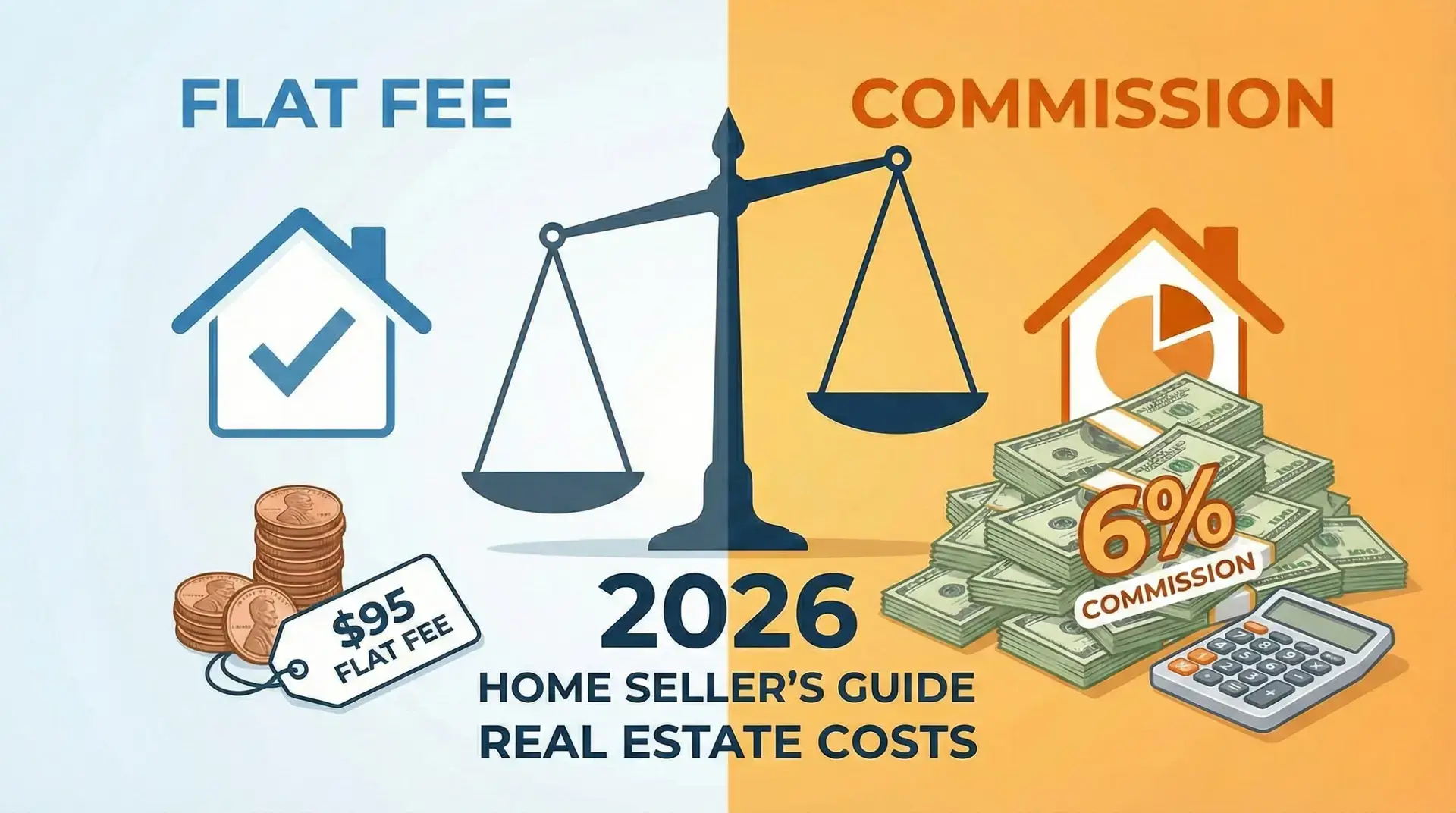
Flat Fee vs Commission Real Estate In 2026, U.S. home sellers face a pivotal choice: stick with traditional commission-based real estate agents or leverage a flat fee model to save thousands. With the National Association of Realtors’ (NAR) settlement taking effect in August 2024, the average combined commission for buyer’s and seller’s agents now hovers around 5.44% nationwide. For a $400,000 home, that’s roughly $22,000 in fees. But alternatives like flat fee services-charging as little as $100 to $1,000 upfront-are gaining ground, offering the promise of savings from $7,000 to $30,000 or more per sale. These changes matter tremendously for homeowners, especially those considering For Sale By Owner (FSBO) or seeking more control over their sale. This guide delivers a clear, data-driven comparison of flat fee and commission models, answers core seller questions, and demonstrates how HomeRise empowers sellers with transparent pricing, regional data, and real-world expertise. Introduction: Selling Your Home in 2026 Selling a home in 2026 is fundamentally different than just a year ago. The NAR settlement, enacted in August 2024, transformed commission structures and negotiation norms, giving sellers more leverage to choose the model that best suits their needs. Today, the average combined commission rate for U.S. home sales stands at 5.44%, but sellers are no longer locked into this system. Flat-fee real estate services have emerged as a competitive alternative, promising significant cost savings and greater transparency. For many, the choice between a flat fee and a traditional commission model is the single most important financial decision in the home-selling process. Experienced sellers now weigh not just commission rates, but also control, exposure, and the level of professional support needed to maximize their proceeds. According to recent market data, sellers can negotiate lower rates, explore flat-fee alternatives, or opt for discount brokers, making it crucial to understand the financial and practical trade-offs involved. Quick Comparison Table: Flat Fee vs Commission Models Feature Flat Fee Listing Traditional Commission Cost to Seller One-time fixed rate (e.g., $99–$499). You keep the entire listing commission savings. Percentage of Sale Price (typically 2.5%–3% for listing side). Fees scale up as your home value rises. Market Exposure Full Exposure. Listed on the local MLS plus syndication to Zillow, Realtor.com, Redfin, and Trulia. Full Exposure. Listed on the local MLS plus syndication to Zillow, Realtor.com, Redfin, and Trulia. Contract Terms Flexible. Often month-to-month or until sold. You retain the right to sell on your own (FSBO) with no penalty. Restrictive. Usually requires a 6–12 month exclusive contract. You pay the commission even if you find the buyer yourself. Buyer Inquiries Direct Connection. Leads and calls are routed directly to you, allowing you to answer questions and vet buyers instantly. Filtered. The agent acts as a gatekeeper, filtering calls and scheduling showings based on their availability. Negotiation Style You Control the Deal. You negotiate price and terms directly, or hire hourly support only if needed. Agent Represented. The agent negotiates on your behalf, acting as a buffer between you and the buyer. Payment Structure Pay for What You Use. A la carte pricing means you don’t subsidize marketing costs for other clients. Bundled Service. You pay a high premium that covers the agent’s overhead, marketing for other homes, and office fees. Equity Retained Maximum. You save thousands of dollars at closing, protecting your hard-earned equity. Reduced. A significant portion of your equity is deducted at closing to cover listing fees. Flat Fee vs Commission: Definitions and Industry Overview The core difference between flat-fee and commission-based real estate models lies in their payment structures. Flat fee services charge a predetermined amount, usually between $100 and $1,000-for listing your property on the MLS, America’s largest database of homes for sale. You pay this fee upfront, often gaining direct control over pricing, showing schedules, negotiations, and more. By contrast, traditional commission-based services require you to pay a percentage of your home’s final sale price, typically split between the listing agent and the buyer’s agent. In 2026, the national average commission stands at 5.44%, but the listing side averages 2.77% and the buyer’s side 2.67%. This means that for a $500,000 sale, you could pay approximately $27,200 in commissions under the traditional model. Flat fee models are especially attractive to experienced or cost-conscious sellers, while commission-based agents often appeal to first-time sellers seeking comprehensive support. How Flat Fee Real Estate Works (with HomeRise examples) Flat fee real estate services offer sellers access to the MLS-a critical step for reaching 80% of buyers-without the burden of a high commission. HomeRise, for example, provides three distinct packages: Essentials ($95 plus a small settlement fee), Advanced ($495 plus settlement fee), and Full Service (1-2% success fee payable at closing). Sellers can choose the level of support they need, from simple MLS access to full local expert guidance. A real-world example: Chris Driver listed his Charlottesville, VA home with HomeRise and was under contract within 2 days, saving the full 3% listing fee. His advice: “Take really good quality pictures of your home and put together a warm, inviting, detailed home description. Go get a $20 lock box, and be cool with paying a fee for the buyer agent. You’ll save the entire listing fee of 3%.” Flexible service levels and transparent pricing are key advantages, allowing sellers with confidence and experience to maximize their profit while still having expert help on standby if needed. How Commission-Based Real Estate Works Commission-based real estate agents operate on a percentage of the sale price, paid only at closing. The standard split in 2026 is roughly 2.77% to the listing agent and 2.67% to the buyer’s agent. This approach bundles comprehensive marketing, professional photography, open houses, negotiations, contract management, and compliance with disclosure requirements. Agents conduct market analyses to price homes competitively and use their networks to attract qualified buyers. For first-time sellers or those in complex markets, this hands-off approach can reduce legal and logistical risk. According to current statistics, homes sold with agent support net $50,000 more on average than those sold
FSBO vs Flat Fee MLS Listing: What’s the Difference?

FSBO vs Flat Fee MLS If you’re considering listing your home For Sale By Owner (FSBO), you recognize the potential for significant savings on real estate commissions and you’re preparing to take control. However, navigating the FSBO vs Flat Fee MLS landscape can be confusing. You may be wondering what costs and services are associated with a Flat Fee Realtor versus a pure Flat Fee MLS Listing. Are they the same? Which one will effectively provide the critical exposure your home needs? Understanding the nuances of the FSBO vs Flat Fee MLS decision is essential. Making the wrong choice could impact your selling experience, the level of control you retain, and ultimately your potential savings. Read on to clarify these options so you can win the FSBO vs Flat Fee MLS debate and choose the best route for your home-selling journey. What is a Flat Fee MLS Listing? At its simplest, a Flat Fee MLS Listing has you pay a single, flat fee to have your property listed on your local Multiple Listing Service (MLS). The MLS is the primary tool used by real estate agents to locate properties for buyers, significantly boosting your home’s visibility. When analyzing FSBO vs Flat Fee MLS, the primary advantage of the MLS option is cost-effective access to buyers without paying a full realtor commission. Your property gains exposure to a broad network of agents, far beyond what a “For Sale” sign or a basic FSBO website can achieve. However, this service typically caters to hands-on sellers. While the service provider handles the MLS listing, you’ll manage nearly everything else, including: Pricing your home accurately Handling inquiries and scheduling showings Negotiating offers directly Managing paperwork and closing details This option suits sellers confident in managing their sale independently. It is often the deciding factor in the FSBO vs Flat Fee MLS choice for those who want essential market visibility while maintaining full control and maximizing savings. What is a Flat Fee Realtor? The term “Flat Fee Realtor” is slightly more complex. Unlike a simple Flat Fee MLS listing, a Flat Fee Realtor involves hiring a licensed agent or brokerage that charges a flat fee rather than a percentage-based commission. This brings a new layer to the FSBO vs Flat Fee MLS comparison. The critical distinction lies in the scope of services provided. Some may offer services comparable to traditional agents, while others might only provide basic guidance alongside your MLS listing. Typical services from a Flat Fee Realtor may include: MLS listing entry Professional pricing advice Negotiation support Assistance with closing paperwork Given this variability, it’s crucial to clearly understand exactly what’s included. In the context of FSBO vs Flat Fee MLS, a Flat Fee Realtor bridges the gap between going it alone and hiring a full-service agent. FSBO vs Flat Fee MLS: Key Differences at a Glance Here’s a quick comparison to help you weigh your options in the FSBO vs Flat Fee MLS market: Feature Flat Fee MLS Flat Fee Realtor Service Level MLS access only; requires complete seller involvement. MLS access + varying levels of professional assistance. Control Maximum seller control. Professional guidance reduces workload but reduces control. Cost Most affordable ($). Higher flat fee ($$), but cheaper than commission. Ideal Seller Confident, hands-on FSBOs. Sellers wanting support while saving money. Pros & Cons of Flat Fee MLS for FSBOs Pros: Cost-effective exposure: The most affordable way to get on the MLS. Complete control: You manage the process, showing schedule, and strategy. Maximum savings: Retain the most equity possible, a key win in the FSBO vs Flat Fee MLS evaluation. Cons: Hands-on involvement: Requires time and effort to manage. Learning curve: Can feel overwhelming without real estate experience. No representation: You handle your own negotiations and legal paperwork. Pros & Cons of Flat Fee Realtors for FSBOs Pros: Professional guidance: Expert advice is available when you need it. Reduced workload: An agent handles some of the heavy lifting. Comfort level: Easier to deal with buyer agents when you have representation. Cons: Higher Cost: Typically more expensive than a simple MLS-only listing. Less control: You may have to defer to the agent’s strategy. Variable service: “Flat fee” can mean different things to different brokerages. How to Choose the Best Option for Your FSBO Needs Choosing your path in the FSBO vs Flat Fee MLS landscape depends on your comfort level, experience, available time, and desired assistance. Ask yourself: Are you comfortable handling contracts and legal paperwork? Are you confident negotiating directly with buyers and agents? Do you have sufficient time to manage inquiries and showings? Is your primary goal minimizing selling costs or balancing savings with professional assistance? If your answers indicate comfort, ample time, and minimal need for assistance, a standard Flat Fee MLS Listing might be ideal. If you prefer some guidance or feel less confident, consider a Flat Fee Realtor—but ensure clarity regarding included services. Why HomeRise Is Your Answer to “FSBO vs Flat Fee MLS” HomeRise’s Flat Fee MLS service specifically addresses FSBO sellers who want maximum savings, transparency, and essential market visibility. We simplify the FSBO vs Flat Fee MLS choice by offering: Clear, upfront flat-fee pricing Essential MLS exposure to thousands of agents and potential buyers Complete control over your sale process HomeRise simplifies your path to visibility without hidden fees, helping you confidently manage your sale. Want More Assistance? Consider Our 1% Listing Fee Partnership Recognizing that some FSBO sellers desire more comprehensive support without traditional high commissions, HomeRise also offers a unique 1% listing fee partnership: Substantial savings compared to traditional commissions Comprehensive services from a vetted, full-service professional agent Clear, predictable scope of services This option blends professional assistance with meaningful savings, providing clarity and reliability often missing from typical Flat Fee Realtor services. Conclusion: Choose Your Path to Success A successful sale hinges on making informed decisions tailored to your comfort and goals. Whether you choose the independent control of a basic listing or prefer additional professional support, understanding the FSBO
What Is Flat Fee MLS Listing Service?
What is Flat Fee MLS in Real Estate? Flat Fee MLS Listing Services let you list your home on the MLS (Multiple Listing Service) for a one-time fee instead of paying a percentage-based commission to a real estate agent. This approach saves you money, gives you control over the selling process, and ensures your property gets maximum exposure on platforms like Zillow, Realtor.com, and Redfin. Key Benefits to Flat Fee MLS: Cost Savings: Avoid traditional 5-6% agent commissions. Flat fee services typically cost $100–$1,000. Broad Exposure: Your home is listed on the MLS and syndicated to major real estate platforms. Seller Control: You manage pricing, showings, and negotiations directly. Potential Drawbacks: DIY Approach: You handle most tasks like showings and paperwork. Limited Support: Basic plans may not include marketing or professional guidance. Upfront Costs: Fees are paid regardless of whether your home sells. Quick Comparison Feature Flat Fee MLS Traditional Agent Cost Fixed fee ($100–$1,000) 5-6% commission Support Limited, DIY Full-service Control High seller control Moderate control Best For Experienced sellers Busy or less experienced Flat Fee MLS services, like HomeRise, offer flexible plans starting as low as $95, with options for added support if needed. They’re ideal for sellers who want to save money and are comfortable managing the sales process themselves. What is Flat Fee MLS Listing Agent-Broker and How Do They Work How Flat Fee MLS Listing Services Work Selling your home can be simpler and more cost-effective with a flat fee MLS service. By following a straightforward process, you can gain maximum exposure for your property without paying steep commission fees. Listing Your Property on the MLS Using a flat fee MLS service to list your home involves five main steps: Check reviews for providers to ensure reliability. Sign up online and select a package that fits your needs. Provide property details and upload photos to showcase your home. Review and sign the listing agreement, paying close attention to cancellation terms to avoid penalties. Verify your live MLS listing once it’s published. Most flat fee MLS services allow you to register online, pick a package, and pay an upfront fee that usually ranges from $89 to $1,299, depending on the service level you choose5. You’ll need to describe your home’s features, set a price, and complete disclosure forms about your property’s condition. Syndication to Major Real Estate Platforms After your property is listed on the MLS, it’s syndicated to leading real estate websites where the majority of buyers search for homes online. In fact, 96% of homebuyers begin their search on these platforms8. Your listing will appear on popular sites such as Zillow and Realtor.com without requiring any extra effort from you. This syndication is essential because major home search platforms pull listings directly from MLS databases. Seller Responsibilities vs. Service Provider Support As the seller, you’re in charge of handling showings, negotiating offers, and communicating with buyer agents. You’ll also need to inform your referral broker when your property goes under contract or closes to keep your MLS listing updated. Flat fee MLS services, like HomeRise, offer different levels of support depending on the plan you choose: Essentials Plan ($95 upfront + $495 at settlement): Provides MLS listing, basic tools like the ShowingTime app for managing showings, and essential support. Advanced Plan ($495 upfront + $995 at settlement): Includes additional perks like professional photography and physical marketing materials. Full Service Plan (free to list + 1% at settlement): Offers a more hands-on approach with dedicated support from a licensed Realtor and transaction manager. Cost Breakdown and Financial Benefits Getting a clear picture of the costs tied to flat fee MLS services versus traditional agent commissions can help you make a smarter choice when selling your home. Understanding Flat Fee Pricing Flat fee MLS services work on a straightforward model: you pay a fixed price, no matter how much your home sells for. Typically, these services offer three pricing tiers: Basic packages: Priced between $100 and $300, these usually include MLS listing and basic syndication. Mid-tier packages: Ranging from $400 to $700, these often add perks like professional photography or extra marketing tools. Premium packages: Starting at $800 and up, these include expanded agent support and more robust marketing options. Cost Comparison: Flat Fee vs. Agent Commissions The savings are striking when you compare flat fees to the typical 2.5%-3% commission rate charged by traditional agents. Home Sale Price Traditional Agent (2.5%) HomeRise Essentials Potential Savings $300,000 $7,500 $590 $6,910 $450,000 $11,250 $590 $10,660 $600,000 $15,000 $590 $14,410 These figures highlight why sellers using flat fee services have collectively saved over $215 million in commissions. As one OhioMLSFlatFee client pointed out: Why does selling a $300,000 house cost twice as much in commission as selling a $150,000 house, even though the services are identical? – OhioMLSFlatFee Client12 Additional Costs to Consider Add-ons like professional photography and virtual tours can make your property more appealing. These extras often increase online views and attract more interest, so it’s worth considering which ones will genuinely benefit your property. When you hire a flat fee service, you need to know what services you’re paying for, how long your listing will be up, how many photos you can post. If it doesn’t sell in a certain amount of time, can you pull it back? – Denise Madan, Real Estate Agent15 Benefits and Limitations of Flat Fee MLS Services Flat fee MLS services can save you a lot of money, but they require you to take on more responsibilities as a seller. Let’s break down the pros and cons so you can decide if this approach makes sense for you. Advantages of Flat Fee MLS Listings One of the biggest perks of flat fee MLS services is the money you save. On average, sellers using flat fee agents save about $6,005 compared to traditional agents who charge a 5–6% commission. Plus, since more than 92% of homes are sold through the MLS, these services give you access to a
Your Guide to the 2026 Housing Market: What Homebuyers and Sellers Need to Know

If you’ve been watching the housing market with confusion over the past few years, you’re not alone. From the intense competition of 2021 to the standstill of 2024, homebuyers and sellers have experienced whiplash trying to understand what’s happening.Good news: 2026 is bringing clarity. We’re moving into a phase of market stabilization where understanding local dynamics and timing your move strategically matters more than trying to predict dramatic swings. The volatility is subsiding, and what’s emerging is a more balanced, predictable environment for making one of life’s biggest financial decisions. Whether you’re ready to buy your first home, upgrade to something larger, or sell and move to a new chapter, here’s what you need to understand about the 2026 landscape. Understanding Today’s Interest Rate Environment What to Expect with Mortgage Rates Let’s talk about the question everyone asks: “Should I wait for lower rates?” According to major housing industry forecasts, 30-year fixed mortgage rates are expected to remain in the 6-6.5% range throughout 2026, with most projections centering around 6.3%. The Federal Reserve’s careful approach to economic policy suggests this range will persist for the foreseeable future. Here’s the reality: ultra-low rates under 4% were an anomaly created by pandemic-era economic conditions. While 6%+ feels high compared to recent history, it’s actually consistent with long-term norms dating back decades. More importantly, the psychological barrier is breaking. Buyers who spent 2023 and 2024 sitting on the sidelines hoping for better rates are realizing that waiting could mean missing the right home. Life doesn’t pause for interest rates, and neither should your housing goals. Home Price Growth: Sustainable and Steady National home prices are forecast to grow modestly—between 1.2% and 4% in 2026. This is a far cry from the double-digit jumps of recent years, but that’s actually healthy for long-term market sustainability. The most encouraging trend? Income growth is starting to catch up with home prices in many areas. After years of wages lagging behind soaring home values, we’re seeing slow but meaningful improvement in affordability. It won’t happen overnight, but the gap is narrowing. Inventory: More Options, But Not a Flood More homes are coming on the market compared to the extreme shortages of recent years, but we’re still about 12% below pre-pandemic inventory levels. Why? Many homeowners locked into mortgage rates below 4% are hesitant to sell and take on a higher rate. However, life events—job changes, family growth, downsizing for retirement—are gradually bringing more properties to market. What this means for you: There are more options than there were, but competition hasn’t disappeared entirely. In desirable neighborhoods and well-priced homes, you’ll still need to act decisively. Why Location Matters More Than Ever in 2026 National trends only tell part of the story. Where you’re buying or selling has never been more important. Markets Seeing Price Adjustments As many as 22 major metropolitan areas could see home prices decline in 2026, with the most significant impacts in Sun Belt and Western markets. Cities like Cape Coral and Fort Lauderdale in Florida, along with Austin, Texas and Phoenix, Arizona, are on the list for potential price corrections—some as high as 10%. What’s happening? Rising insurance costs: Homeowners insurance in coastal areas and wildfire zones has skyrocketed due to climate risks. In parts of Florida, annual insurance premiums can equal what some homeowners pay monthly for their mortgage. This fundamentally changes the economics of homeownership. Climate concerns: Buyers are thinking long-term about hurricane exposure, wildfire risk, and extreme heat. These factors are increasingly influencing purchase decisions and pricing. Too much luxury inventory: Many Sun Belt markets overbuilt during the pandemic boom, especially luxury homes. Now those properties are sitting, and sellers are starting to reduce prices. Markets Gaining Momentum While some areas cool down, others are heating up. Midwestern cities and Northeastern suburbs—including areas around New York City, Cleveland, Minneapolis, and St. Louis—are experiencing renewed buyer interest. What’s driving this shift? Return to office: As more companies require employees to work in-person or hybrid schedules, people who moved away during peak remote work are reconsidering their location. Proximity to employment hubs matters again. Better affordability: These markets offer home prices that are more aligned with local incomes—a combination that’s becoming harder to find. Lower climate risk: Buyers are factoring in long-term climate stability. Great Lakes cities, for instance, are seen as having fewer extreme weather concerns compared to coastal and desert regions. If you’ve overlooked the Midwest as “flyover territory,” 2026 might be the year to take a second look. Who’s Buying and Renting in 2026? Young Buyers Entering the Market Generation Z is making its presence felt in the housing market. While many are still renting, their preferences—sustainability, smart home technology, walkable communities—are influencing development and renovation priorities across both rental and ownership markets. Families with children are also driving demand in specific ways, prioritizing features like good school districts, safe neighborhoods, and outdoor space. This “family-first” approach is shaping what sells and what sits. Multigenerational Living Becomes Common Rising housing costs are making multigenerational living arrangements more common and more accepted. Homes designed to accommodate multiple generations—with features like accessory dwelling units (ADUs), in-law suites, or separate living spaces—are increasingly sought after. This isn’t just about affordability; it reflects changing attitudes about family structure and mutual support across generations. High-Income Renters by Choice Not everyone renting is doing so because they can’t afford to buy. A growing group of high-earning professionals are choosing to rent for lifestyle flexibility—the ability to relocate for career opportunities, travel extensively, or avoid maintenance responsibilities. These renters seek premium properties with top-tier amenities and are willing to pay accordingly. They’re renting by choice, not by circumstance. How Technology and Sustainability Are Changing Homes Artificial Intelligence in Real Estate AI tools are becoming standard in real estate transactions, making processes smoother and faster: Better pricing tools: Automated valuation models are getting more accurate, helping buyers and sellers understand true market value Faster mortgages: AI-powered underwriting is cutting approval times significantly Always-available service:
Navigating the Housing Market During Economic Uncertainty

Navigating the Housing Market During Economic Uncertainty Economic uncertainty affects buyers and sellers in different ways. Learn how market shifts, rates, and timing influence real estate decisions—and how HomeRise’s flat-fee model helps you save thousands while selling your home with confidence. Lately, the economy has kept everyone guessing. Mortgage rates fluctuate, inflation makes headlines, and housing predictions seem to change by the week. It’s no wonder both buyers and sellers are wondering—should I make a move right now? Here’s the reality: life doesn’t pause for the market. People still buy and sell homes every day, even during uncertain times. The key is knowing how to adapt your strategy. At HomeRise, we believe smart moves shouldn’t cost a fortune. Our flat-fee listing service helps sellers keep more of their profit while getting full professional support every step of the way. How Economic Uncertainty Shapes the Housing Market Rates and Buyer Confidence Interest rates have a ripple effect on affordability. When rates rise, purchasing power dips; when they fall, competition heats up fast. Even a small rate change can shift the balance between a buyer’s budget and a seller’s leverage. Buyer Behavior Economic headlines may cause some buyers to pause—but many still need to move. Job relocations, family needs, and life changes keep the market active, even in unpredictable conditions. Seller Behavior It’s common for sellers to remove listings around the holidays, waiting until January to relist. But that pause can actually create an advantage for sellers who stay active—less competition and motivated buyers still searching. The Competitive Factor Uncertainty can make timing tricky. When rates drop, buyers often flood back into the market, sparking more bidding activity. Being ready before that happens can make all the difference. What Buyers Should Consider There’s No “Perfect” Time to Buy Waiting for the “right” moment often means missing opportunities. When rates fall, demand tends to spike—and so do home prices. Acting strategically now could put you ahead of the curve. Seasonal Opportunities Fewer listings and less competition in late fall or early winter can give buyers more room to negotiate. Sellers who stay on the market during this period are often motivated to make a deal. Negotiation Leverage In times of uncertainty, sellers may be more open to price adjustments or closing credits. A well-prepared buyer with a strong offer can stand out even when the market feels uncertain. What Sellers Should Consider Timing Your Listing Many sellers plan to relist in the new year, but by doing so, they often re-enter a crowded market. Listing before that surge—or staying listed through the holidays—can help your home stand out. Strategic Pricing and Presentation Setting the right price is crucial. Overpricing can slow your sale, while competitive pricing supported by professional marketing can attract serious buyers faster. When Rates Shift Lower mortgage rates expand the pool of qualified buyers. Having your home ready when that happens ensures you capture early attention from those motivated to purchase. The HomeRise Advantage for Sellers HomeRise’s flat-fee listing service helps you save thousands compared to traditional commissions—while still providing MLS access and more. Smart Tips for Navigating Market Uncertainty For Buyers Get pre-approved early: Know your budget and act fast when rates shift. Be flexible: Explore nearby neighborhoods or property types that offer better value. Work with a pro: Partner with an agent who understands how to navigate shifting market dynamics. For Sellers Price it right: Use data to set a competitive price that draws buyers in. Highlight your home’s value: Showcase energy-efficient upgrades, new systems, or features that add long-term stability. Stay visible: Don’t assume waiting until spring will yield better results—being active during quieter months can pay off. Why HomeRise Makes Sense in Any Market At HomeRise, we’re here to make selling your home smarter, simpler, and more affordable—no matter what’s happening in the economy. Flat-Fee Listing Service: Pay one fair price and avoid hidden fees. Option for Full-Service Support: Get expert marketing, pricing strategy, and negotiation from experienced agents. More Savings, More Control: Keep more of your home’s equity where it belongs—with you. Economic uncertainty doesn’t have to hold you back. With HomeRise, you can sell smarter and save thousands. Conclusion: Move Forward with Confidence Markets shift—but opportunities remain. Whether you’re buying your next home or preparing to sell, the key is having the right strategy and the right team behind you. Ready to take the next step? List your home with HomeRise and save thousands with our flat-fee model. Connect with a HomeRise agent to start your search confidently.