
Why Professional Photography is a Game-Changer for FSBO Listings

When selling your home as a For Sale By Owner (FSBO), one of the most critical decisions you’ll make is how to present your property online. In a digital-first world, buyers form first impressions through listing photos long before stepping inside a home. High-quality, professional photography can mean the difference between a fast sale at top dollar and a property lingering on the market. Let’s explore why professional photography matters for FSBO sellers, its impact on your sale price, and how you can maximize its benefits. Why Professional Photography is Essential for FSBO Listings How does professional photography impact the sale price of a home? According to studies, homes with professional photos sell for significantly higher prices than those without. Buyers associate high-quality images with well-maintained properties, leading them to value these homes more. Professional photos highlight your home’s best features, creating an emotional connection that compels buyers to take action. What role do high-quality photos play in attracting buyers online? With over 95% of buyers starting their home search online, your listing photos are your first—and often only—chance to grab their attention. Stunning visuals make your listing stand out among hundreds of others, increasing click-through rates and drawing more buyers to schedule showings. Statistics on the Power of Visuals in Real Estate What percentage of buyers begin their search online? A 2023 report from the National Association of Realtors (NAR) found that 97% of homebuyers searched online for their next home. This underscores the importance of making a great visual impression on digital platforms. How do listings with professional photos perform compared to those without? Listings with professional photos get 61% more views than those with amateur or no photos. These listings also sell 32% faster, making professional photography not just a visual upgrade but a strategic investment. Benefits of Professional Photography How can great photos help a FSBO home compete with realtor-listed properties? FSBO sellers are, naturally, competing with professionally marketed homes. High-quality images help level the playing field, showcasing your home as just as desirable as those listed by agents. What features of a home are best highlighted with professional photography? Professional photographers use advanced equipment and techniques to capture: Bright, spacious interiors. Architectural details like crown molding or vaulted ceilings. Outdoor spaces such as landscaped yards or patios. These images not only highlight your property’s best features but also create an inviting atmosphere for potential buyers. Common FSBO Photography Mistakes What are the consequences of using low-quality or poorly composed images? Low-quality photos can make your home appear smaller, darker, or less appealing. Buyers may skip over your listing entirely, assuming the property is not worth their time. How can bad lighting or angles deter buyers? Harsh shadows, uneven lighting, and unflattering angles can obscure your home’s best features. These mistakes often lead buyers to focus on imperfections rather than potential. Cost vs. ROI of Professional Photography Is hiring a photographer worth the investment for FSBO sellers? Professional real estate photographers typically charge $150 to $500, depending on the size of your home and the number of photos required. This investment often yields a higher sale price, making it well worth the cost. How much does professional real estate photography typically cost? While prices vary by location, most FSBO sellers can expect to spend between a few hundred for high-quality photos. This small expense can translate into thousands of dollars in additional profit. DIY Photography Tips for FSBO Sellers Can FSBO sellers achieve professional-quality results on their own? While hiring a professional is ideal, FSBO sellers can improve their DIY photos by: Using a DSLR camera or a high-quality smartphone with wide-angle capability. Shooting in natural daylight for even, bright images. Decluttering and staging rooms before photographing. What equipment or techniques are essential for capturing great home photos? Invest in a tripod for stable shots, and use photo editing software to adjust brightness and contrast. Avoid using flash, as it can create harsh lighting. How to Choose the Right Photographer What should FSBO sellers look for in a real estate photographer? Seek photographers who specialize in real estate, as they understand how to capture spaces effectively. Review portfolios to ensure their style aligns with your vision. How can a seller verify the quality of a photographer’s portfolio? Look for sharp, well-lit images with consistent quality across various types of homes. Testimonials or reviews from previous clients can also provide insight into their reliability and results. Before and After Examples How do professional photos compare to amateur photos of the same home? Professional photos often showcase the home’s true potential, making rooms appear brighter, larger, and more inviting. Amateur photos may fail to capture these details, leading to missed opportunities. Can visual transformations increase a home’s perceived value? Absolutely. A visually appealing listing can create a perception of value, drawing more interest and competitive offers from buyers. Final Thoughts Professional photography isn’t just an aesthetic upgrade for FSBO sellers—it’s a powerful tool to attract buyers, sell faster, and achieve the best possible price. Whether you hire a photographer or enhance your DIY skills, investing in high-quality photos can pay off in spades. Ready to make your FSBO listing stand out? Let HomeRise guide you through every step of the selling process.
The Pros and Cons of Selling Your Home by Yourself ‘As-Is’
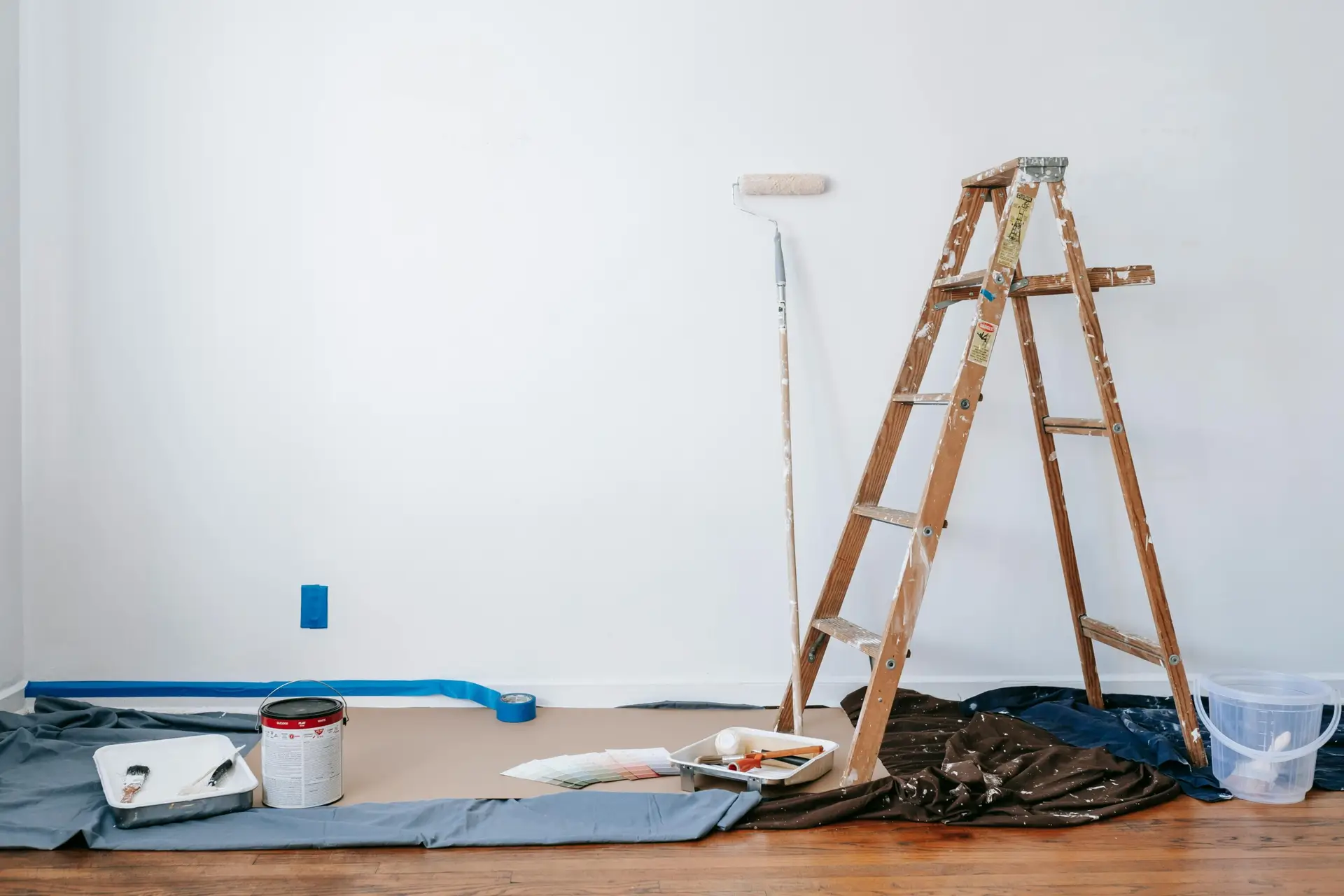
Selling a home “as-is” can be an appealing option for homeowners who want to avoid the hassle and expense of repairs or renovations. For those pursuing the For Sale By Owner (FSBO) route, this strategy might save money but also comes with unique challenges. Understanding the pros and cons of selling your home as-is can help you determine whether it’s the right choice for your situation. Understanding ‘As-Is’ Sales Selling a home “as-is” means the property is sold in its current condition, with no repairs or upgrades made by the seller. The buyer accepts the home with all its existing flaws, and typically, the seller is not responsible for addressing issues uncovered during a home inspection. This approach differs from traditional home sales, where sellers often make improvements to attract buyers and increase the home’s market value. Advantages of Selling ‘As-Is’ FSBO Save Time and Money Selling a home as-is allows you to skip the time-consuming and costly process of making repairs. For homeowners on a tight budget or facing financial strain, this can be a significant relief. Without repair expenses, you may also have more flexibility in pricing your home competitively. Attract Specific Buyer Groups As-is properties often appeal to real estate investors, flippers, or cash buyers looking for fixer-uppers. These buyers are accustomed to purchasing homes that need work, so they’re less likely to be deterred by cosmetic or structural issues. Simplified Selling Process Without repair negotiations, as-is sales can streamline the transaction process. FSBO sellers who prioritize simplicity may appreciate the reduced back-and-forth with buyers over inspection-related demands. Challenges of Selling ‘As-Is’ FSBO Lower Offers and Limited Buyer Pool Selling as-is may result in lower offers since buyers often expect a discount to compensate for the repairs they’ll need to make. Additionally, traditional buyers may shy away from homes sold as-is, narrowing your pool of potential buyers. Legal and Disclosure Obligations Even in as-is sales, you’re required to disclose known issues with the property. Failing to comply with disclosure laws could lead to legal disputes. FSBO sellers must be diligent about understanding their state’s requirements to avoid costly mistakes. Perceived Risk for Buyers Buyers may view as-is homes as risky investments, assuming there are hidden problems. This perception can make marketing your property more challenging, especially without the guidance of a real estate agent. Pricing and Marketing for an ‘As-Is’ FSBO Home Accurate Pricing Strategies Pricing an as-is home requires careful consideration of its condition, location, and comparable sales in the area. Overpricing can scare off buyers, while underpricing may leave money on the table. A professional home appraisal or a Comparative Market Analysis (CMA) can provide a solid foundation for setting a fair price. Effective Marketing Techniques Highlight your home’s potential and unique features in your FSBO listing. Emphasize benefits like location, lot size, or architectural charm to attract interest. While major repairs are off the table, investing in basic clean-up, decluttering, or minor cosmetic touches can make a big difference in how buyers perceive your property. Should You Stage an As-Is Home? Staging doesn’t have to break the bank. Small improvements like cleaning, depersonalizing, and adding fresh paint can help buyers envision the home’s potential without contradicting the as-is nature of the sale. Legal Considerations for As-Is FSBO Sales Disclosure Requirements Most states have laws requiring sellers to disclose known property defects, even in as-is transactions. These disclosures protect buyers from unforeseen risks and help establish trust. Transparency is key—consider using a seller disclosure form to outline any major issues upfront. Protecting Yourself Legally To safeguard against future disputes, document the home’s condition thoroughly and consider consulting a real estate attorney. An attorney can review your paperwork and ensure your sale complies with local regulations. Alternatives and Trade-Offs As-Is vs. Minor Repairs While major renovations may be off the table, making minor repairs could boost your home’s appeal without significant cost. Fixing small issues, like leaky faucets or broken light fixtures, can make a noticeable difference to buyers. Selling As-Is FSBO vs. Through an Agent Selling as-is without an agent can save you on commission fees, but it also means you’ll handle marketing, negotiations, and legal paperwork on your own. Agents often have access to a broader network of buyers and can help you maximize your sale price, even for an as-is property. Final Thoughts Selling your home by yourself “as-is” has its pros and cons. While it can save you time and money upfront, it may lead to lower offers and a smaller buyer pool. By pricing your home strategically, marketing it effectively, and understanding your legal obligations, you can increase your chances of a successful FSBO as-is sale. If you’re considering selling your home as-is FSBO, HomeRise can help simplify the process with flat-fee MLS listings and expert resources designed for independent sellers. Explore how our tools can help you reach motivated buyers and sell on your terms.
Top 10 Tips for Staging Your Home to Sell Quickly Without a Realtor
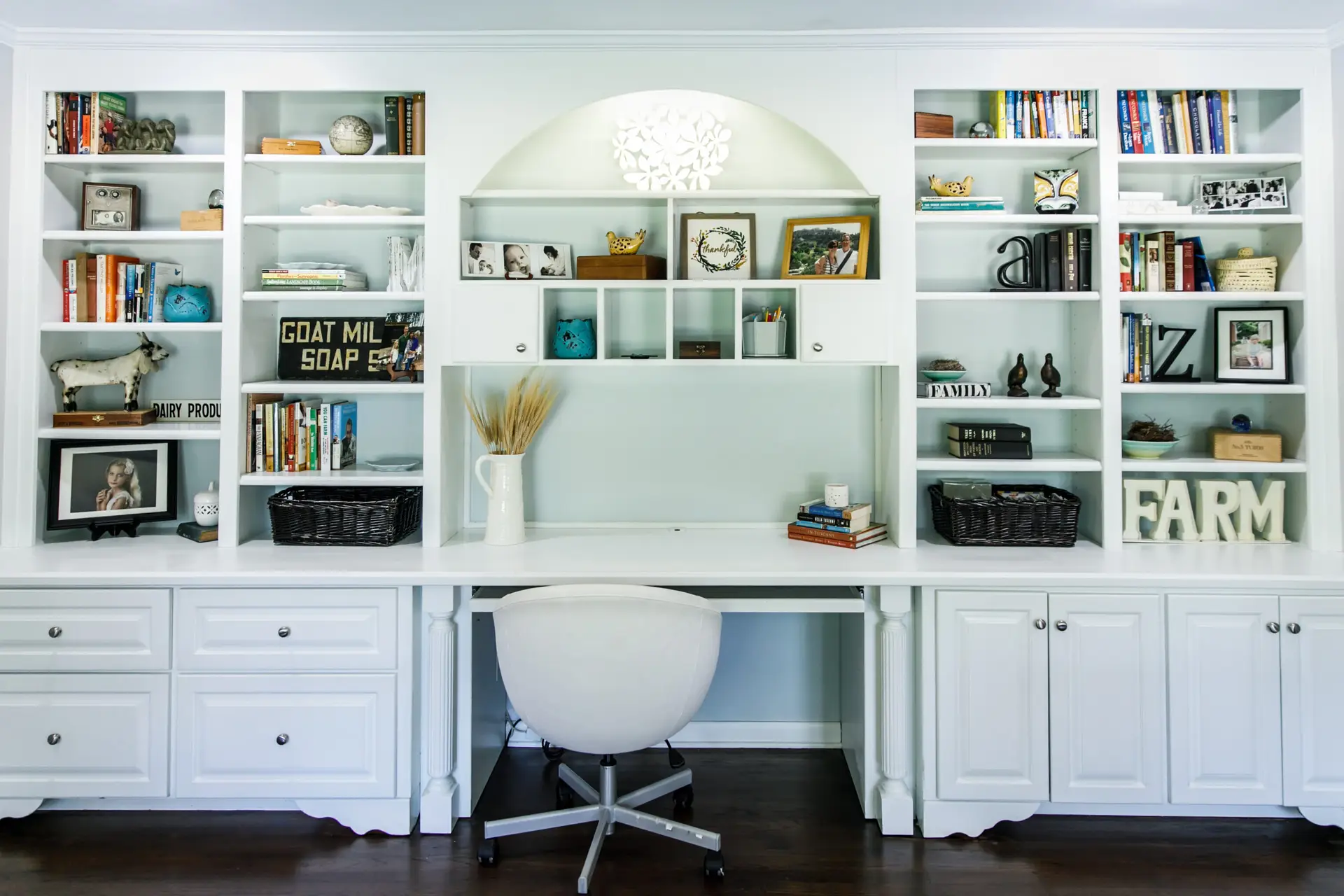
When selling your home without a realtor, proper staging can make all the difference. Home staging highlights your property’s best features, helps buyers visualize themselves living there, and can even lead to quicker and higher offers. As a For Sale By Owner (FSBO) seller, implementing cost-effective yet impactful staging strategies can set your home apart in a competitive market. Here are ten essential staging tips to help you sell your home quickly—without a realtor. 1. Decluttering and Depersonalizing A clutter-free home not only appears larger but also allows potential buyers to imagine their belongings in the space. Start by: Removing Personal Items: Family photos, personalized decor, and memorabilia should be packed away. Buyers need a neutral canvas. Minimizing Furniture: Too much furniture can make a room feel cramped. Keep only essential, well-placed pieces. Organizing Storage Areas: Buyers will open closets and cabinets, so tidy up and showcase ample storage space. 2. Deep Cleaning and Repairs A spotless home gives buyers the impression it has been well-maintained. Focus on: Critical Cleaning Tasks: Scrub floors, walls, and appliances. Pay attention to high-touch areas like light switches and doorknobs. Quick Repairs: Fix leaky faucets, squeaky doors, and chipped paint. These small details can make a big difference in perceived value. 3. Enhancing Curb Appeal The exterior of your home sets the tone for buyers’ expectations. Boost curb appeal by: Landscaping: Mow the lawn, trim hedges, and add fresh mulch to garden beds. Fresh Paint and Fixtures: Repaint the front door, update house numbers, and replace outdated light fixtures for an inviting look. 4. Maximizing Space Show buyers how to make the most of your home’s square footage: Strategic Furniture Placement: Arrange furniture to create an open flow and define distinct areas within a room. Highlight Storage: Use bins or baskets to organize shelves and closets, emphasizing functionality. 5. Lighting and Ambience Good lighting can transform the feel of a home. Brighten up your space by: Maximizing Natural Light: Open curtains, clean windows, and use sheer drapes to let sunlight in. Layering Artificial Lighting: Combine overhead lights, table lamps, and accent lighting to create a warm atmosphere. 6. Neutral Colors and Decor Neutral tones appeal to the widest range of buyers. Stick to: Neutral Paint Colors: Shades like beige, gray, or off-white make spaces feel larger and cleaner. Simple, Inviting Decor: Add pops of color through throw pillows or artwork, but avoid overly bold patterns. 7. Focusing on Key Rooms Certain rooms hold more weight in buyers’ decisions. Prioritize staging in: The Kitchen: Clear counters of small appliances, add a bowl of fresh fruit, and display a stylish cookbook. The Living Room: Arrange furniture to emphasize conversation areas and add a cozy throw blanket. The Master Bedroom: Use crisp bedding, matching lamps, and neutral decor to evoke a sense of calm. 8. Showcasing Unique Features Every home has standout elements that deserve attention. Whether it’s a fireplace, built-in bookshelves, or a stunning view, make these features shine by: Decluttering Around Them: Keep the surrounding area simple to avoid distractions. Adding Accents: Use a vase or candles to draw subtle attention to the feature. 9. Creating a Welcoming Atmosphere Buyers are more likely to connect emotionally with a home that feels inviting. Set the tone with: Pleasing Scents: Use fresh flowers, bake cookies, or light subtle candles (vanilla or lavender work well). Thoughtful Details: Place a welcome mat, fresh towels in bathrooms, and a handwritten note about the property’s best features. 10. Photography and Virtual Tours Most buyers will see your home online before scheduling a visit. Make your listing stand out by: Staging for Photos: Ensure every room is spotless, well-lit, and free of clutter. Investing in High-Quality Photos: Professional photography is worth the cost to showcase your home in its best light. Offering Virtual Tours: 3D tours and video walkthroughs help buyers feel connected to the space, even remotely. Conclusion: FSBO Success with Staging Staging your home can be the key to selling quickly and at the best possible price, even without the guidance of a realtor. By decluttering, maximizing space, enhancing curb appeal, and focusing on key rooms, you’ll create an environment that resonates with buyers. Looking for more FSBO tips? Explore other guides on HomeRise to simplify your home-selling journey.
Selling Your Home: What to Fix Up With a $2,000 Budget (or Less)
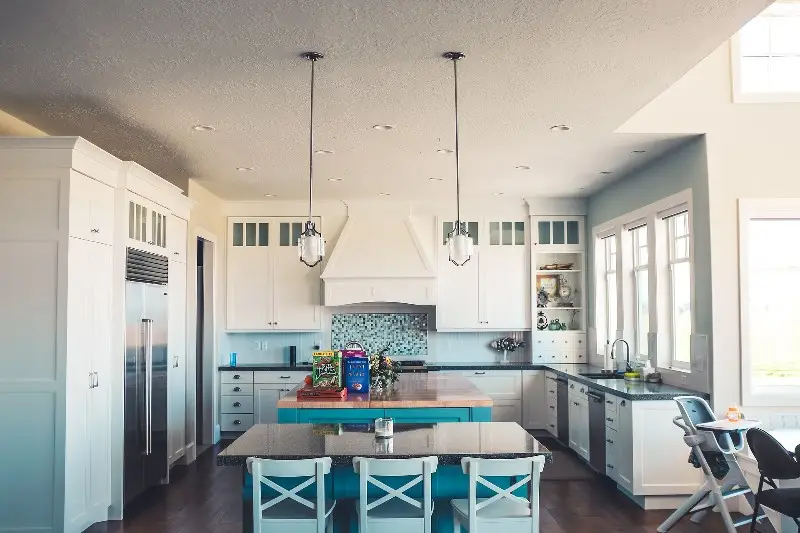
Selling your home is a stressful process. You need to prepare to move into a new home, while still presenting your current home at its absolute best for buyers. On top of this, there’s often the stress of paying the bills when you need to hire movers, cleaners, and more. You may not get around to all the minor repairs and fixes that your home needs, and that’s okay. Right now, you’re in luck: it’s an extreme seller’s market and people will likely put in good offers for your home regardless of condition. However, making small repairs and changes can increase your likelihood of receiving strong offers and maximizing profit from what is likely one of the largest transactions of your life. Here’s what to fix up when selling a house with a budget of $2,000. Remove Clutter You may not think of removing clutter as a “fix” for your home, but this is just as important – if not more so – than tightening up lopsided cupboards. If you’re too busy to do it yourself, hiring an organizer might be your best option. Clutter can really prevent buyers from seeing the true size of your home, and perceived space has a big impact on what buyers are willing to pay. “It’s cheap to take care of but some people struggle with it – I always tell home sellers they want to have the least clutter possible. Find a way to make everything tidy and neat,” recommends New Jersey-based listing agent Ruben Concepcion. “If you walk through a dirty and cluttered house – you’re not getting a good feel for it, all the rooms feel smaller, and I almost guarantee that the buyer’s not going to spend more than 10 minutes in your home.” According to Homelight, professional organizers charge an average of $501 per home – however, there’s a wide range here, since cleaning can take anywhere from 2-10 hours. If you’re truly committed to it, then of course, you can do this for far less. Fix the Cabinets Doors hanging on their hinges will instantly spell “dated” and “poor condition” to your buyers – not the impression you want to leave them with. Stop putting off all the little fixes around your home, especially when so many of them can be taken care of with a single trip to Home Depot or a few clicks on Amazon. Take time to fix: Clogged drains: $3 for drain solution Broken cabinet tracks: $20-$25 Cabinet door hinges: $15 Paint Your Walls Painting your walls is often one of the first things agents will mention, and it’s for good reason. Dinged-up, smeared, or oddly colored walls are affordable to fix up – and because wall space is so prominent in any home, not fixing them up can really make a difference in how your home’s value and upkeep are perceived. That said, painting your walls can be a big undertaking if it means moving all the furniture, potentially hiring an expert or taking the time to paint, etc. If you don’t have the time (or money) to take on everything at once, prioritize the kitchen and living room if you have one – as these are a focal point for buyers. Cost of painting your home: According to Home Advisor, the average cost to repaint a home is anywhere from $1,000 and $6,000 or $.50 to $3.50 per square foot. And according to RocketHomes, the average cost of painting the interior of a 2,400-square-foot home yourself will be about $1,500-$2000. However, this assumes you’ll be using one coat of primer and two coats of paint, and painting every wall of the home. Paint Your Front Door First impressions are truly everything – especially when you’re approaching a home. Zillow has access to data on thousands of sold homes, and they recently released the Zillow Paint Colors Analysis that analyzed over 135,000 photos from listings around the country. What they found was that simply painting your door black, on average, increased the price of a typical U.S. home by 2.9 percent. This is likely because a black door next to white siding creates sharp contrast, which can read as both fresh and modern. It’s also worth pointing out that 9/10 of the most profitable renovations for 2020 (when considering ROI) were outdoor renovations! Cost of painting a front door: $150 to hire a professional, $10 if you DIY Fix Up Your Caulking Nothing turns a buyer off like seeing a dark line of mold in your otherwise pristine bathroom. This is an incredibly easy fix, doesn’t require much know-how to do at home (watching a Youtube video for guidance will suffice), and once it’s done your bathtub area will look a thousand times better. Recaulk your shower: $175 for a handyman; $30 or less to DIY Replace Your Lights Take a look at available homes for sale on a popular listing site and take note of what makes one home look more inviting and appealing than another. One thing you’ll likely take note of is the lighting. Great lighting helps homes look more spacious and modern, while bad lighting makes homes look dark, cramped, and dated. Before you go to sell your home: Replace any lights that have gone out Consider replacing some or all of your remaining lightbulbs with a higher wattage (or lumens, if it’s LED) bulbs for a brighter look. (approx. $5 per bulb) Pay special attention to areas that don’t receive a lot of natural light. This is where brightening it up with lamps or light fixtures can really help show the home better (you can buy a simple lamp for $15 on Amazon or via IKEA) If your kitchen light fixture is nondescript or outdated, updating this can be a DIY task that really upgrades your kitchen from non-memorable to wow-factor. This is something that buyers easily notice in online photos as well (look for swing arm, pendant and farmhouse light fixtures, which can be purchased for $50 or less from a variety of retailers) What